One-line verdict: on the page, we match NCERT where matching is mandatory (it is correct and it is the syllabus) and clearly exceed it on scaffolding, narrative, and visual craft — while carrying one real risk NCERT does not: a busier page.
01The scorecard
Eight axes. Verdict is from the rendered Ch 4 pages below. Correctness/fidelity are marked parity, not win — we author verbatim-faithful from the NCERT source and do not claim to out-correct the incumbent's own canon.
| Axis | NCERT Class 11 Physics | Our Physics 11 | Verdict |
|---|---|---|---|
| Correctness & rigor | The authoritative canon; derivations sound, terse. | Authored from the NCERT PDFs + verified spine; every chapter passes a dual independent eye (Opus + Kimi 2.6) correctness gate. | Parity |
| Syllabus fidelity | Is the definition of the syllabus. | Same §x.1–x.n spine, all 14 chapters; NCERT structure deliberately preserved. | Parity |
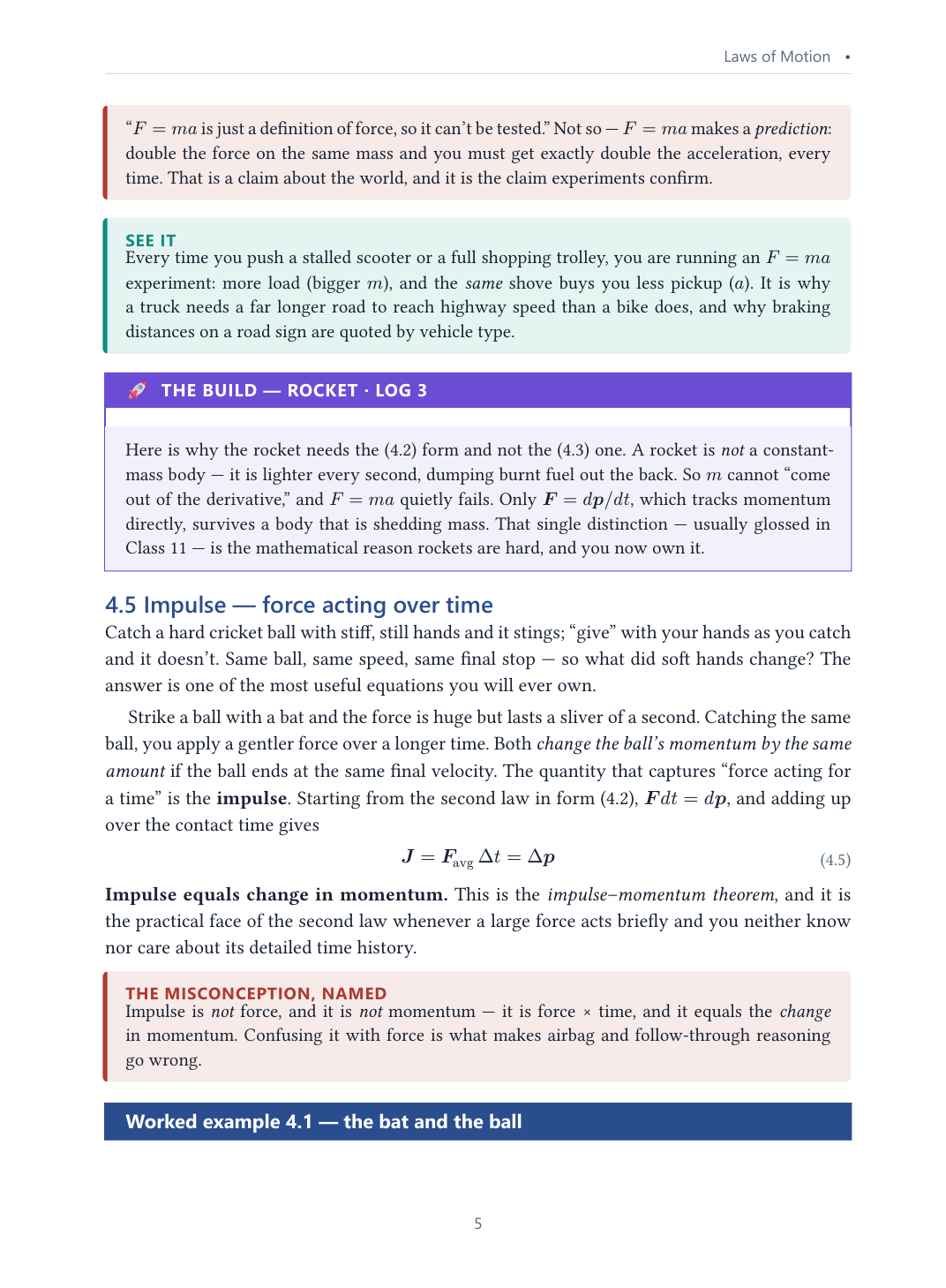
| Conceptual scaffolding & misconceptions | Implicit; the occasional cautionary line in prose. | Explicit “The misconception, named” boxes + a See-it → Use-it → Build-it agency ladder on each concept. | Win |
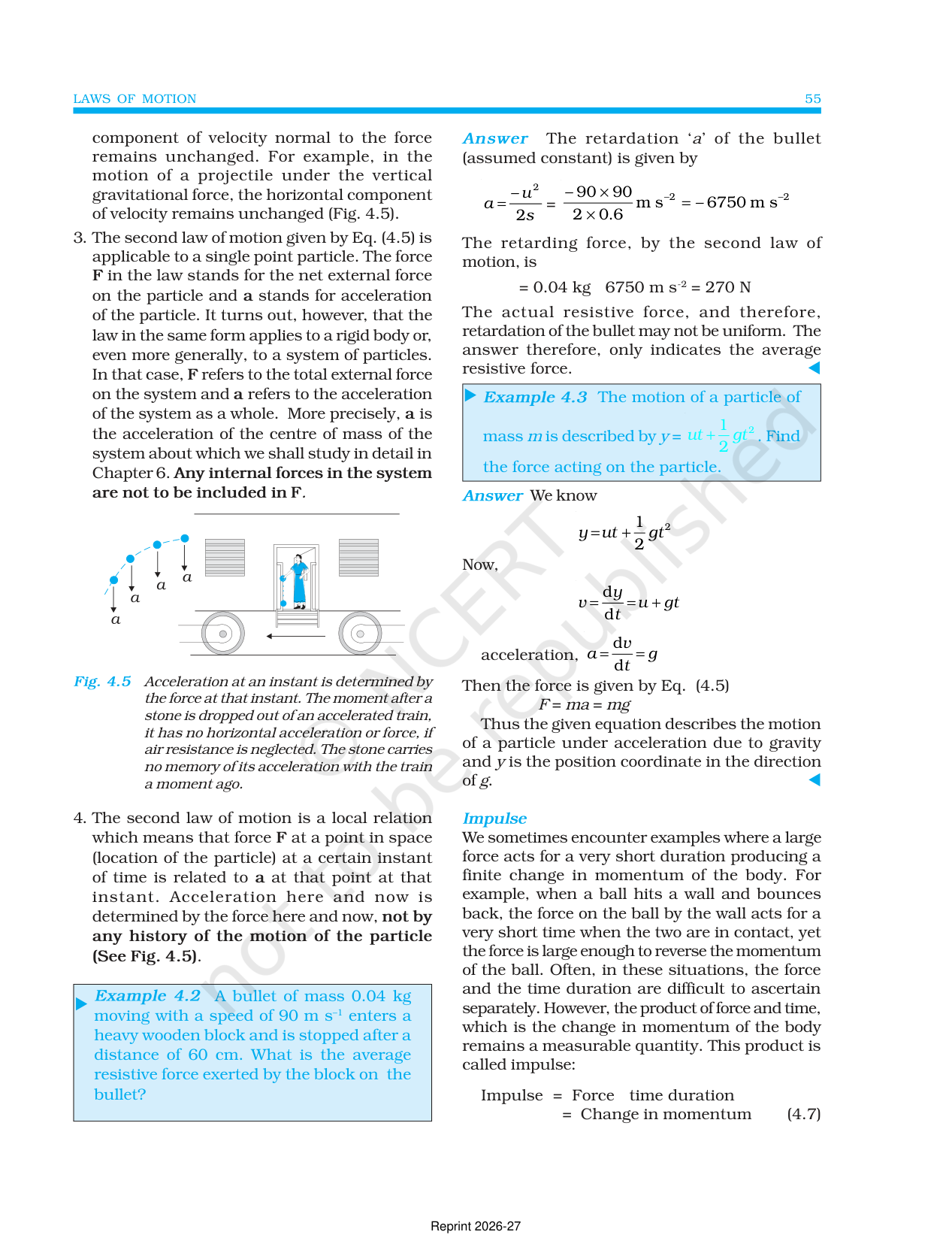
| Worked examples — board vs JEE/NEET | Board-level “Example” boxes only. | Dual board + competitive tags on examples, plus an optional “Past the board” deep-end where the topic has genuine JEE/NEET depth. | Win |
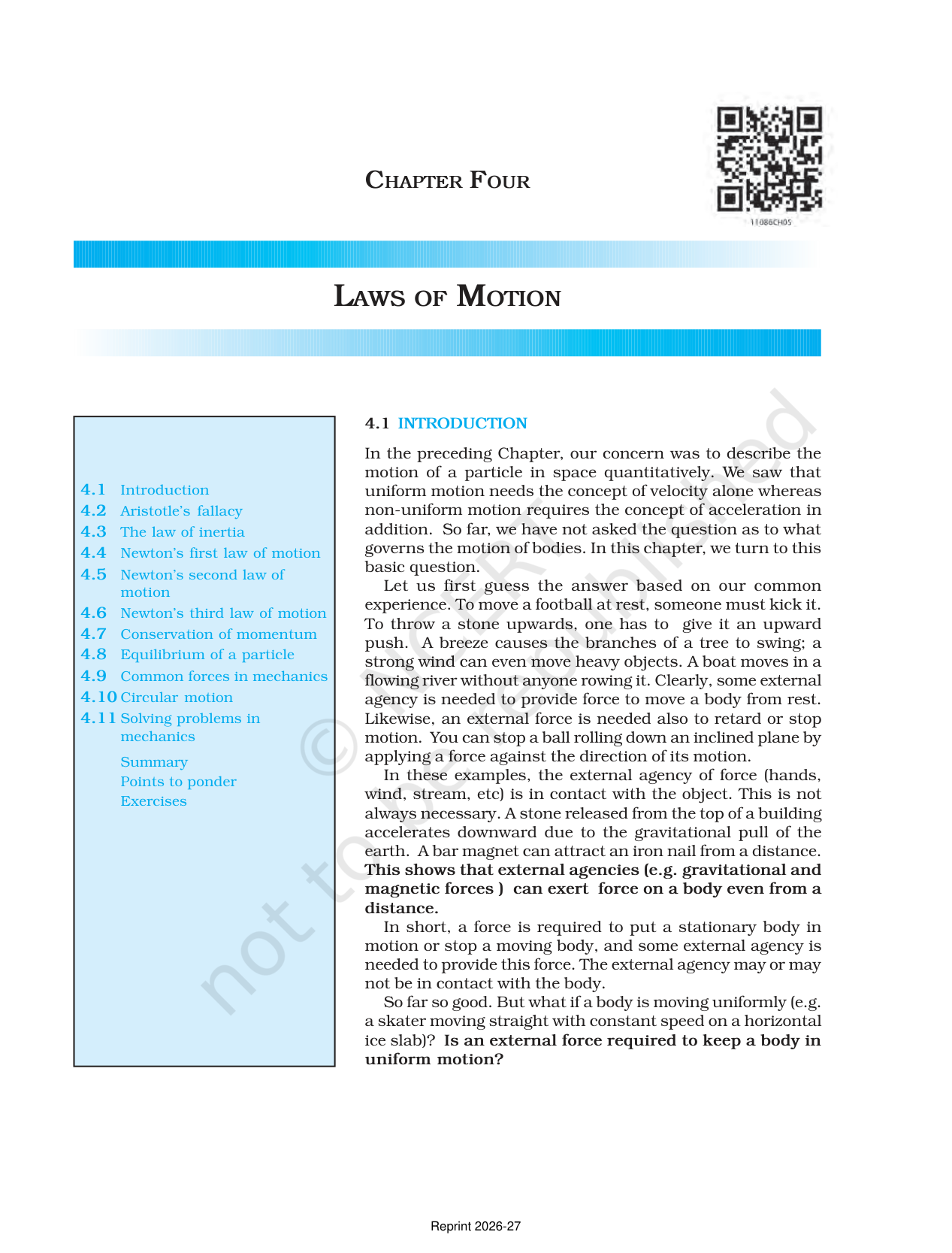
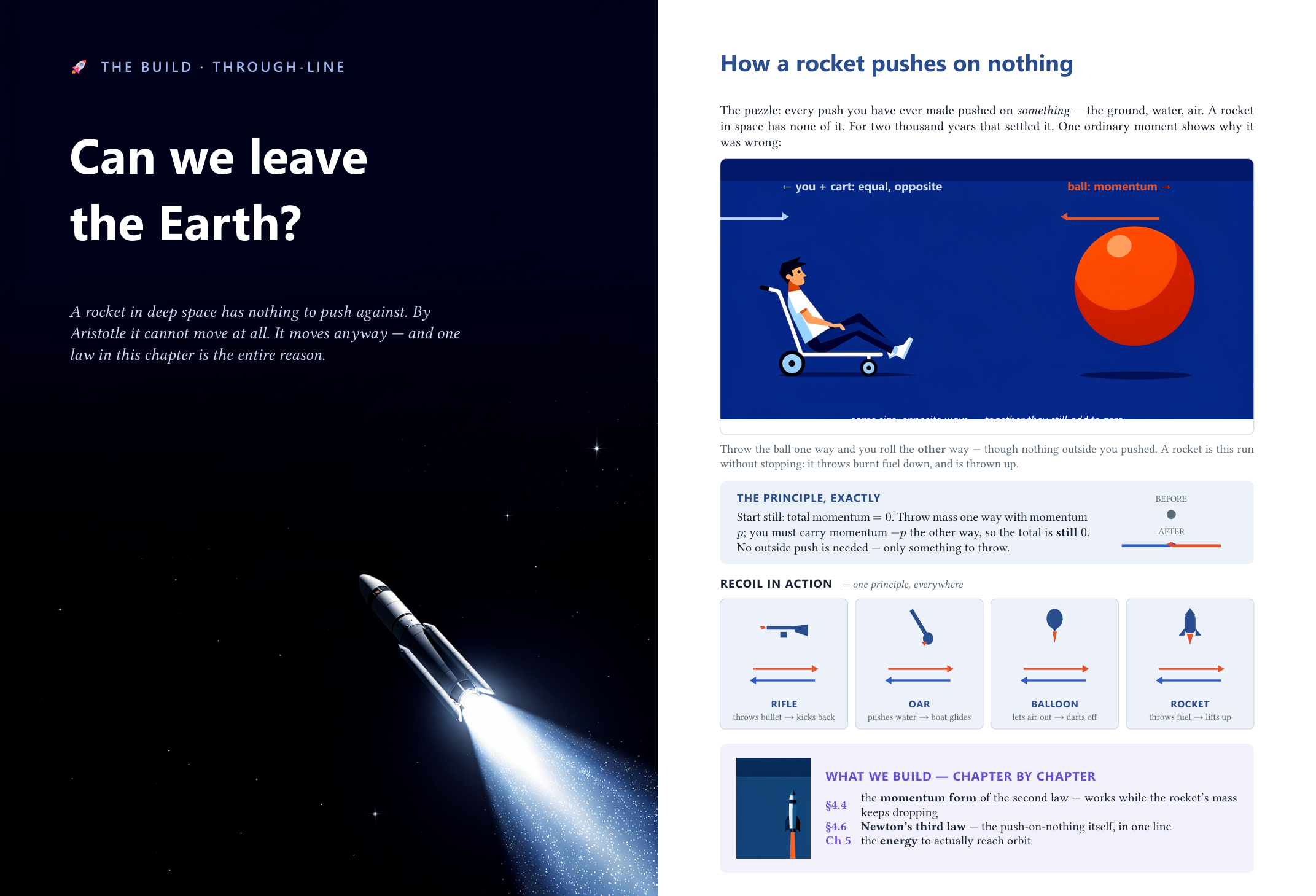
| Visual density & craft | ~1 small monochrome figure per 1–2 pages; plain title-and-contents opener. | Frontier register: peopled diagrams + precision figures + colour-coded apparatus, and a narrative hero opener spread. | Win |
| Narrative through-line | None — topic after topic. | A “Rocket — Log N” build thread runs the length of the chapter, paying off at the end. | Win |
| On-page calm / reading load | Dense prose, but a clean, uncluttered single layout grammar. | Richer apparatus = a busier page; some pages carry many competing elements (a genuine cognitive-load risk). | NCERT edge |
| Live adaptive practice | Static print. None. | The MILE loop — concept-graph → assess → route → personalised feed — runs on the same atoms as the book. | Different game |
02On the page — side by side
Same chapter (Laws of Motion), same syllabus content, rendered from the actual PDFs. Left: official NCERT. Right: ours.
The chapter opener
What a student sees first.
A core concept page — impulse & worked examples
Force diagrams — how each book draws the physics
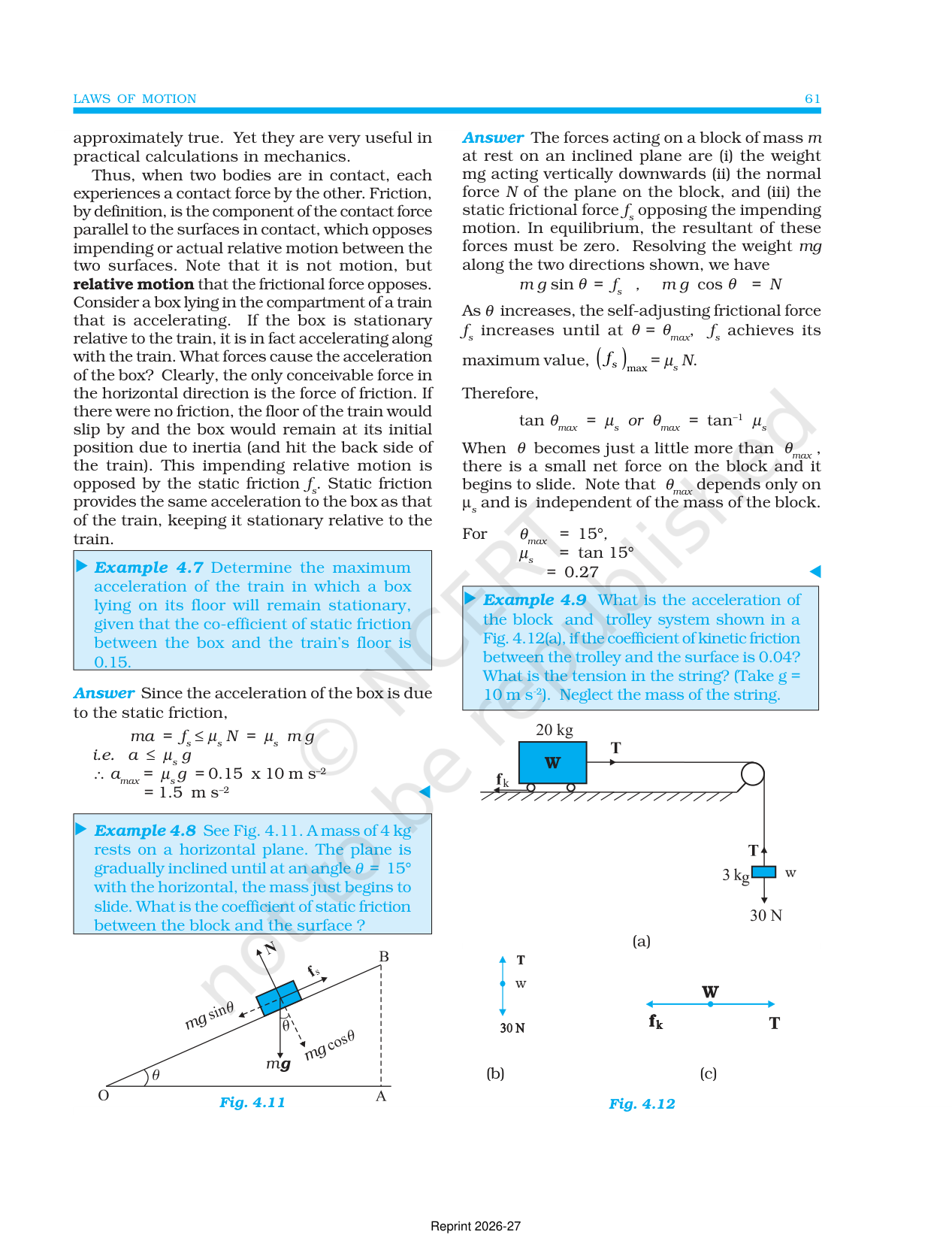
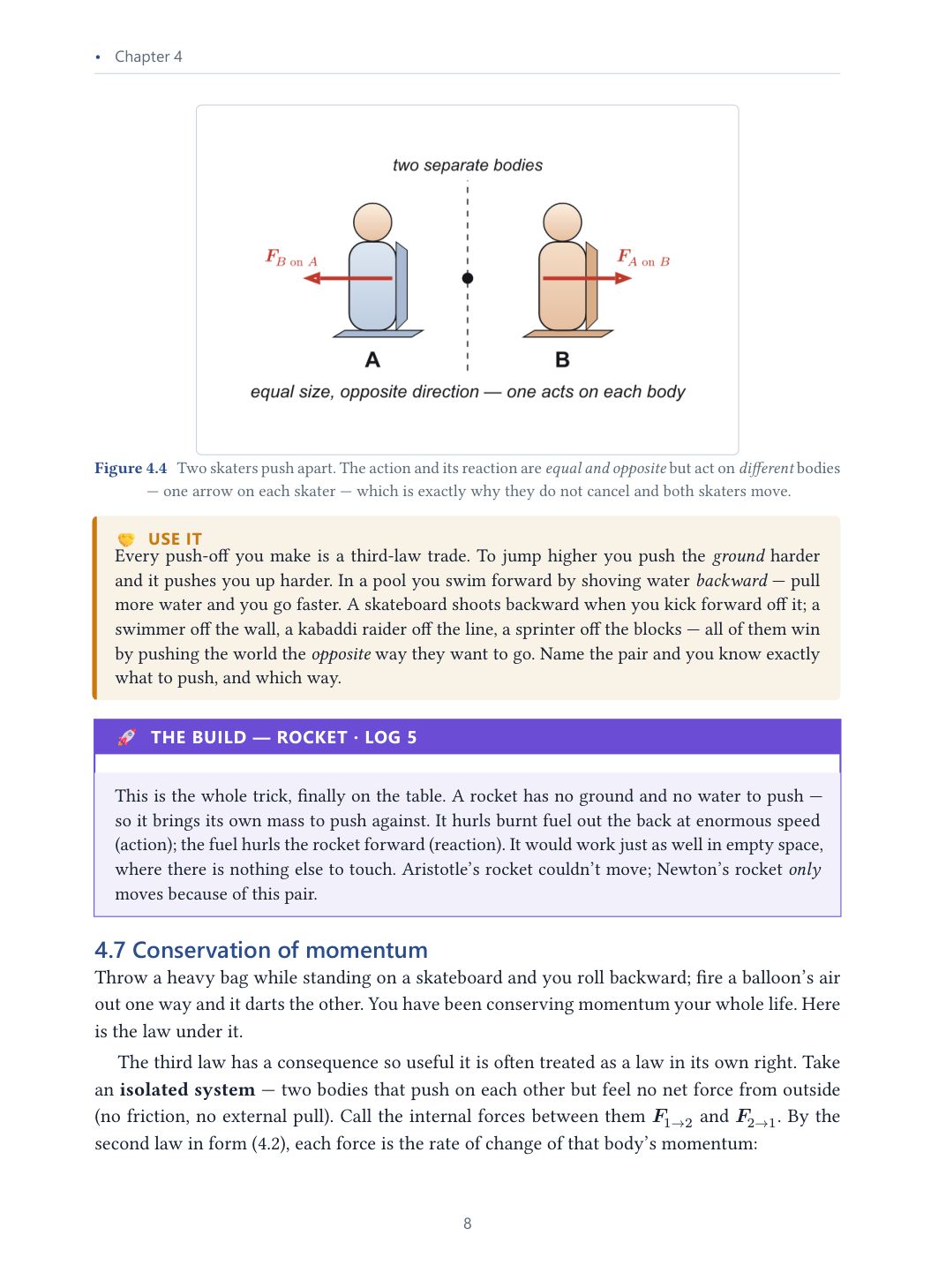
03The honest split
Where we win, where NCERT genuinely holds an edge, and where the comparison stops being book-vs-book.
◤ Where we win
- Visual craft & density — frontier register vs. sparse monochrome line-art; the most decisive gap.
- Explicit scaffolding — named misconceptions + the See/Use/Build agency ladder; NCERT leaves these implicit.
- Exam coverage — board and JEE/NEET in one book, dual-tagged; NCERT is board-only.
- Narrative — a through-line that makes the chapter cohere, not a list of topics.
- Human framing (F3) — people in the diagrams, the global frontier’s blind spot.
◢ Where NCERT holds
- On-page calm — one quiet layout grammar; ours can read busy. A real cost of the rich tier.
- Authority — it is the canon; trust is free. Ours must earn it page by page.
- Brevity — NCERT says it in fewer elements; economy is its own virtue.
- Parity, not victory, on correctness & fidelity — and that is the correct ceiling to claim before the room that owns the source.
◈ A different game
- The MILE loop — concept-graph → assess → route → feed, on the same atoms as the book.
- No printed competitor — NCERT included — can occupy this column at all.
- It is the demo’s trump: the book is the evidence; the live loop is the pitch.
- Treat it as a category, never a scorecard row — comparing it to a page is a category error in our favour.
04Full page gallery
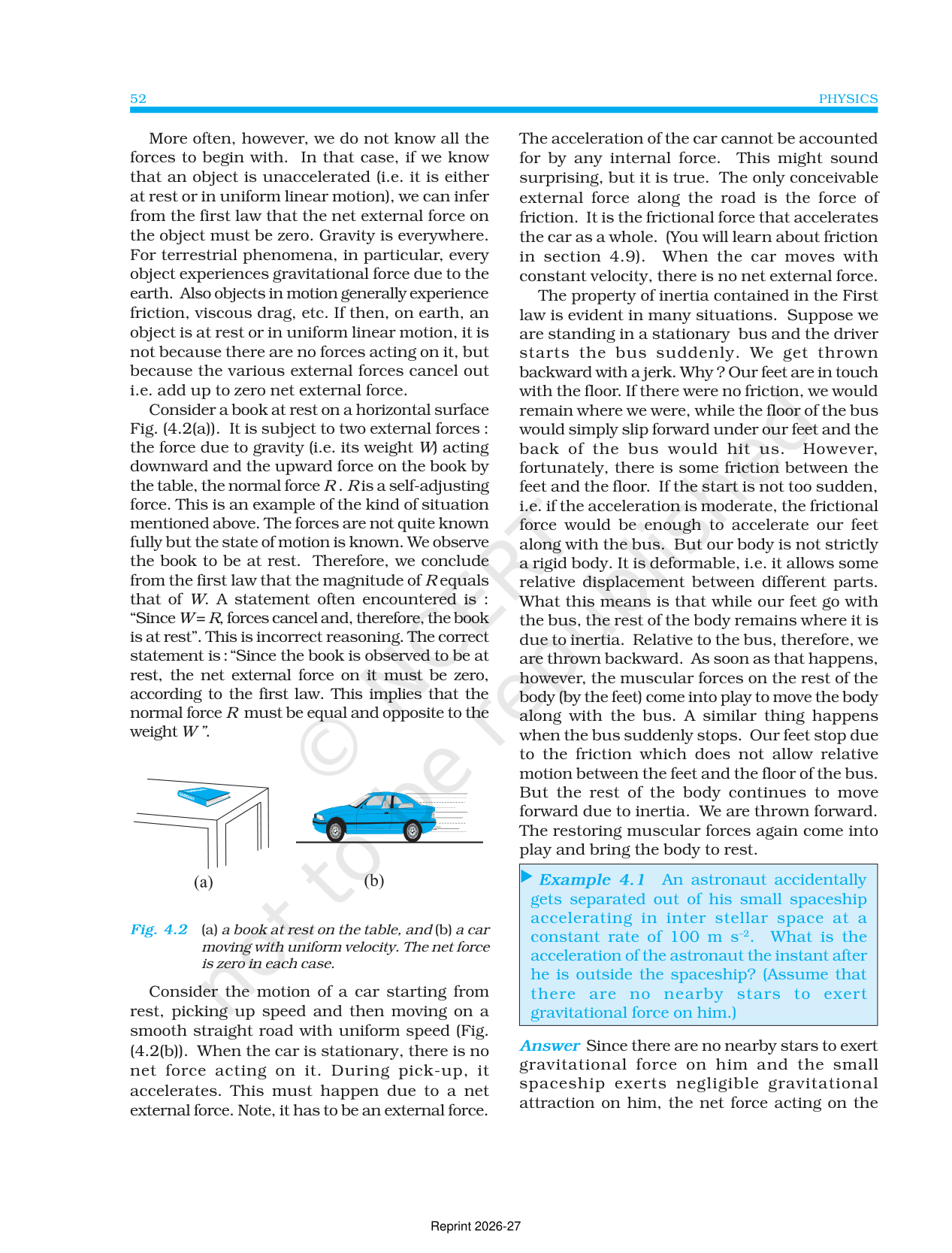
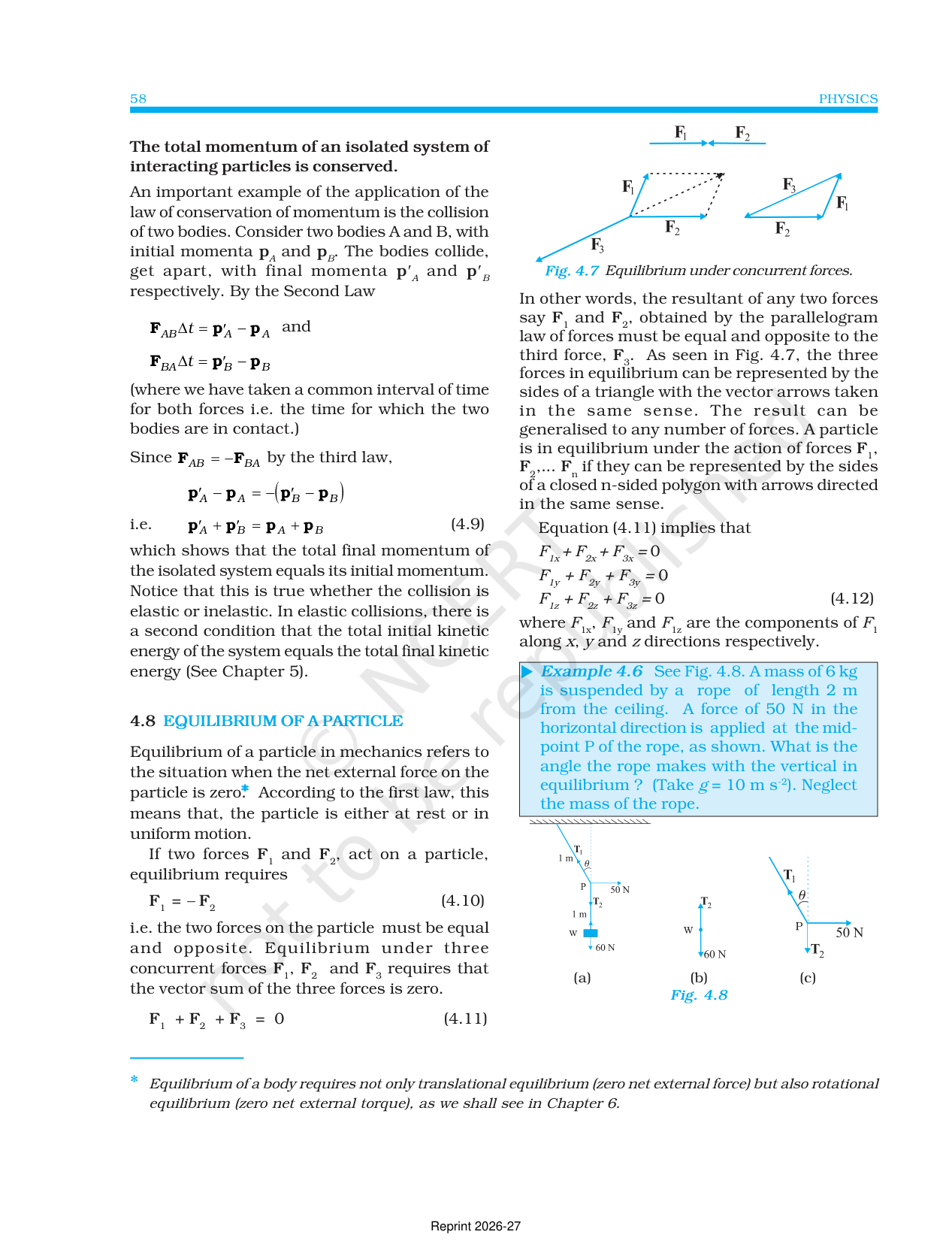
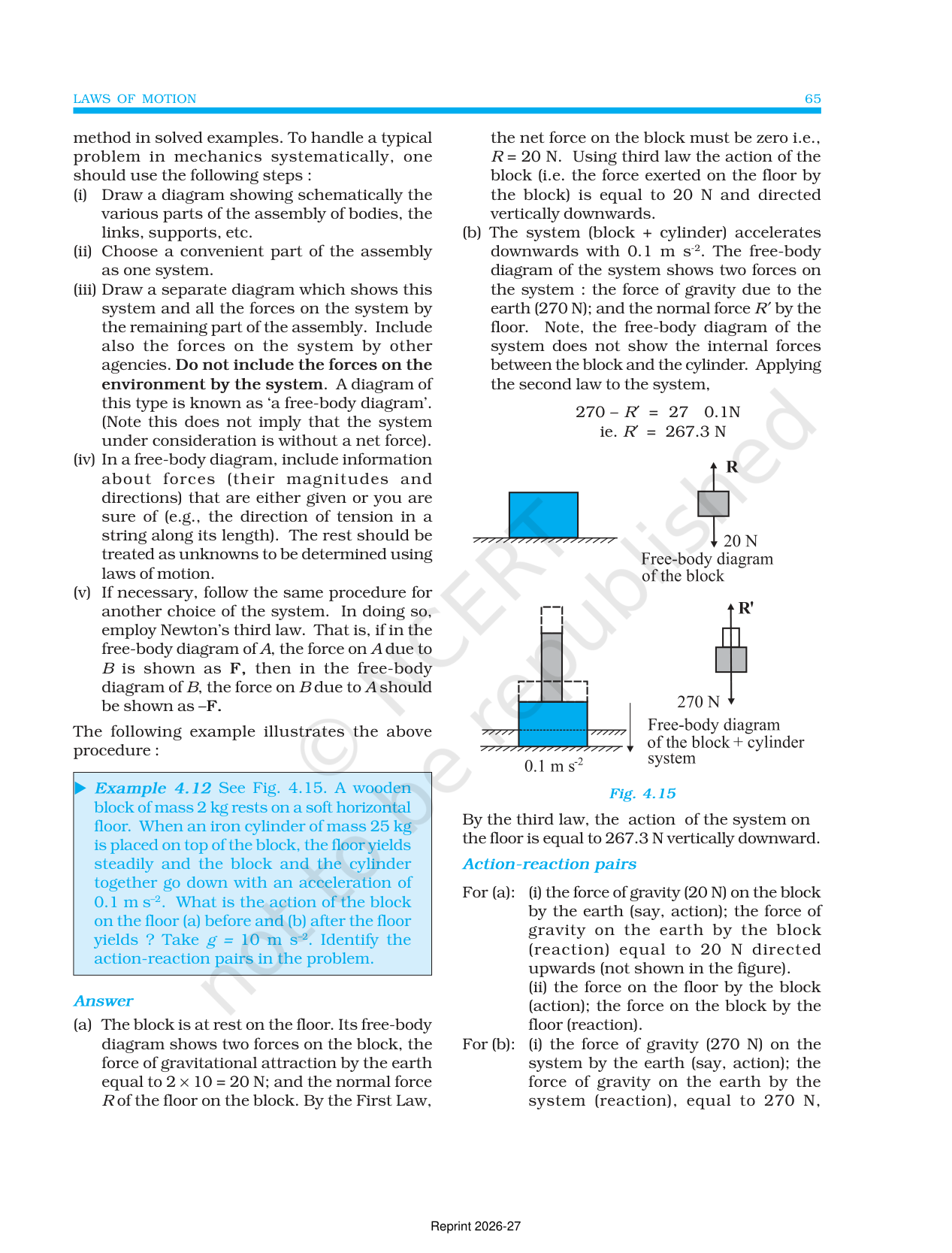
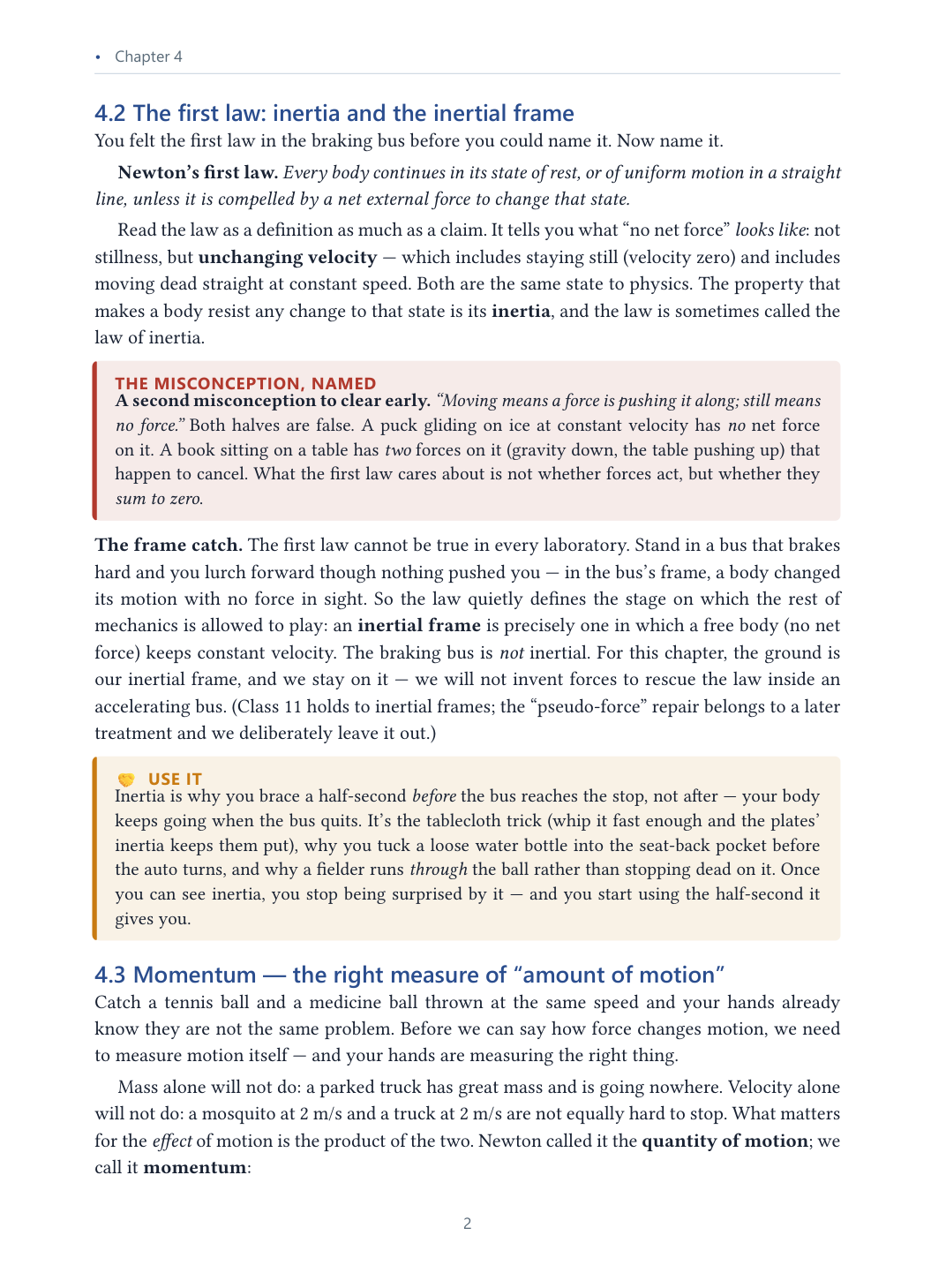
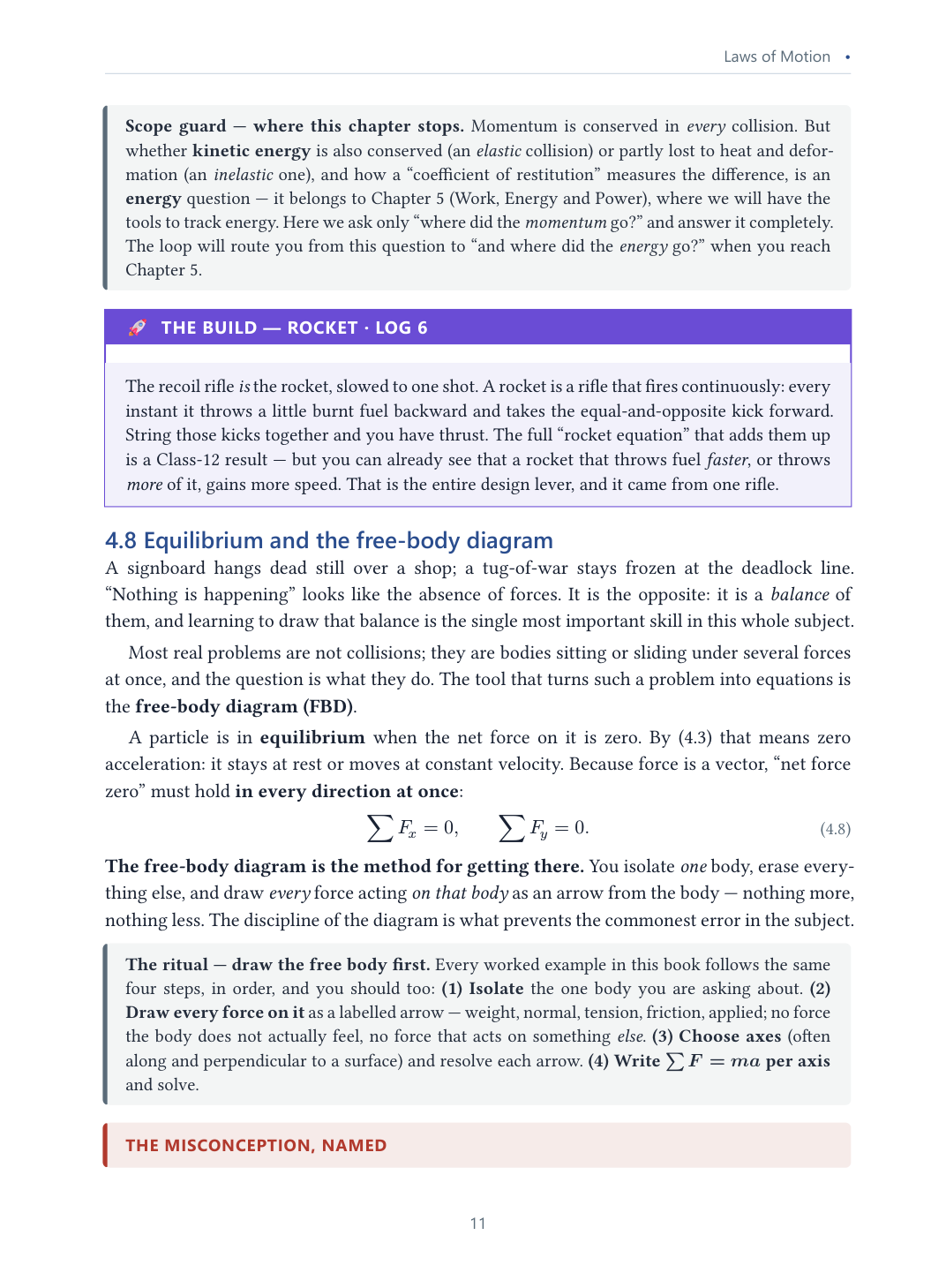
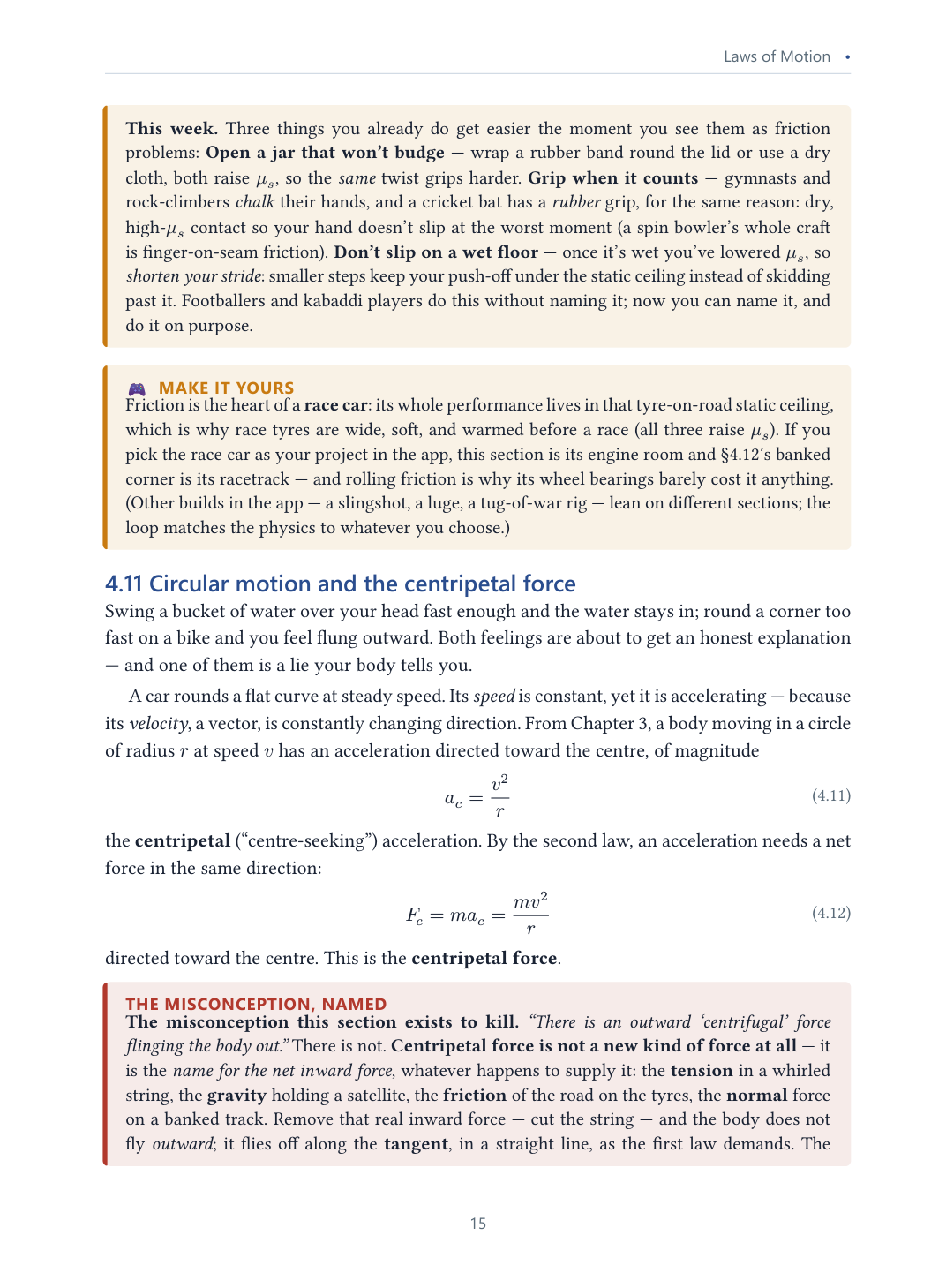
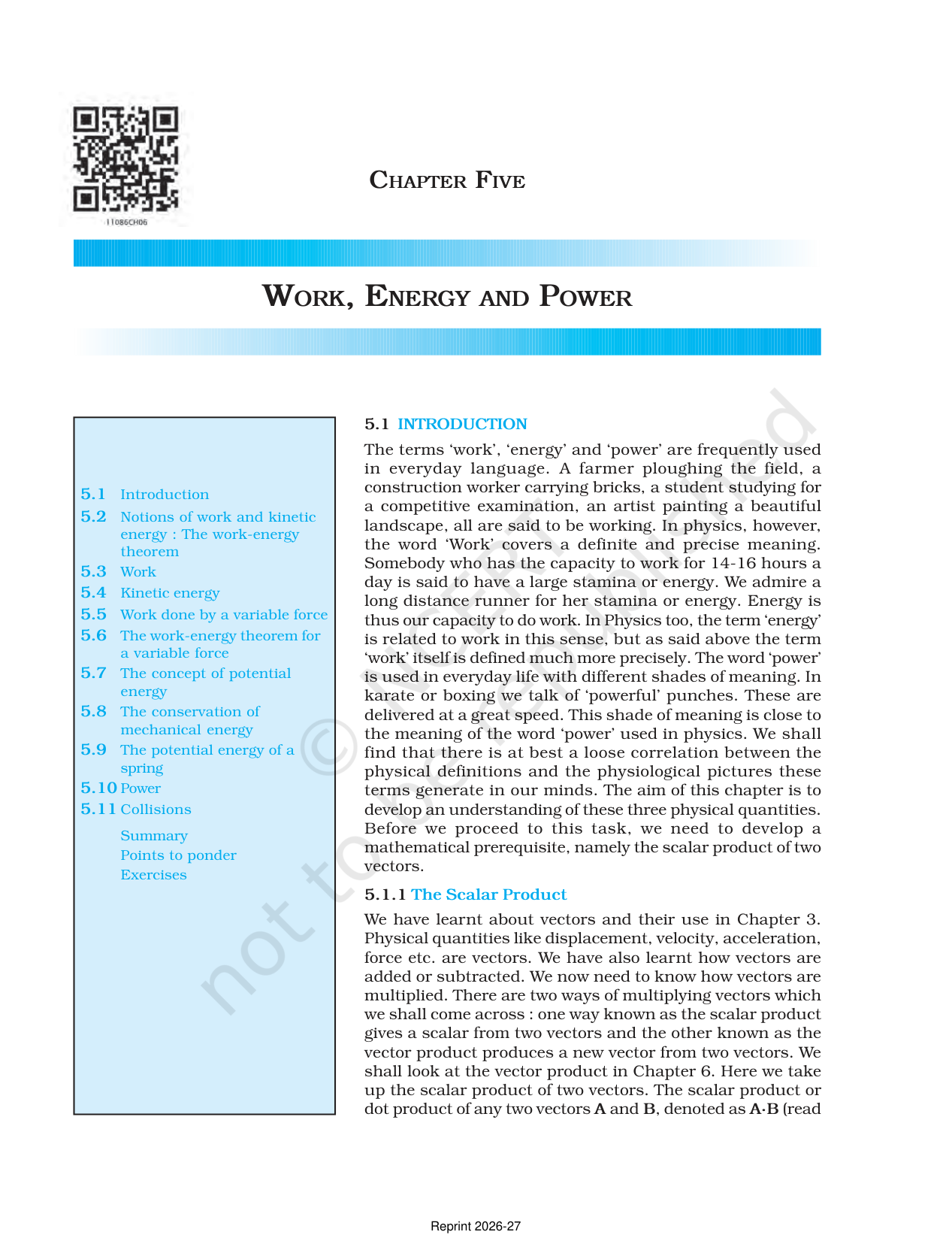
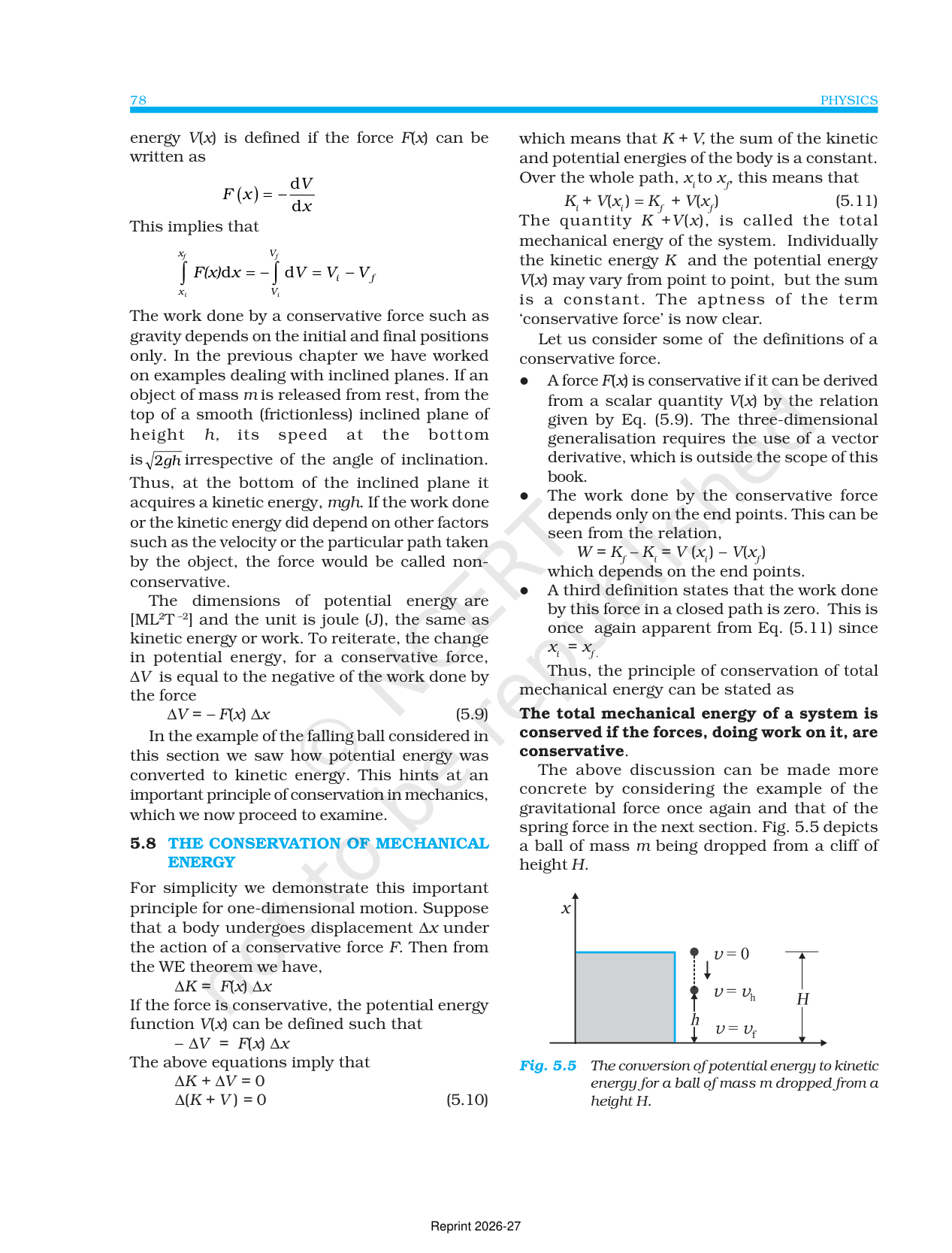
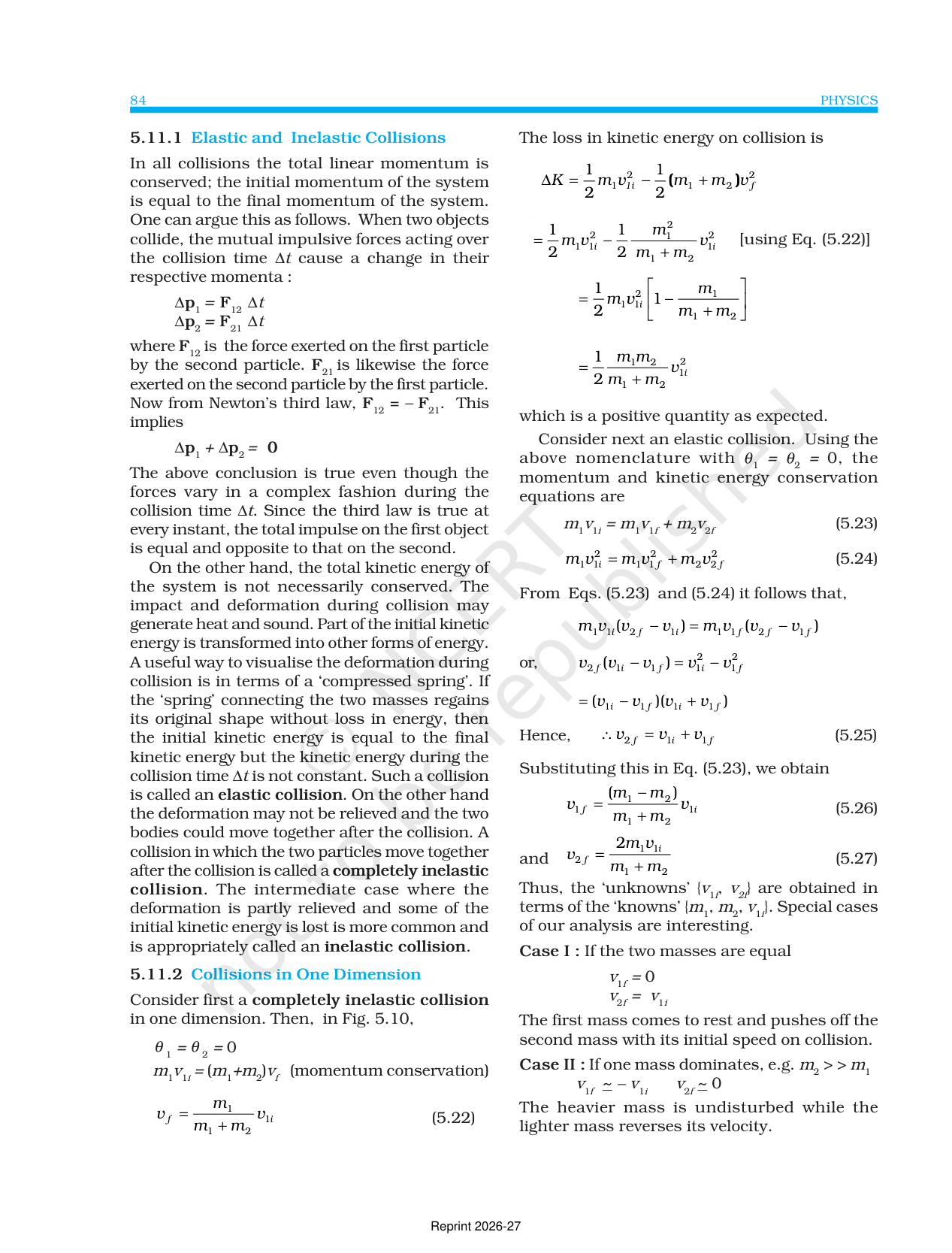
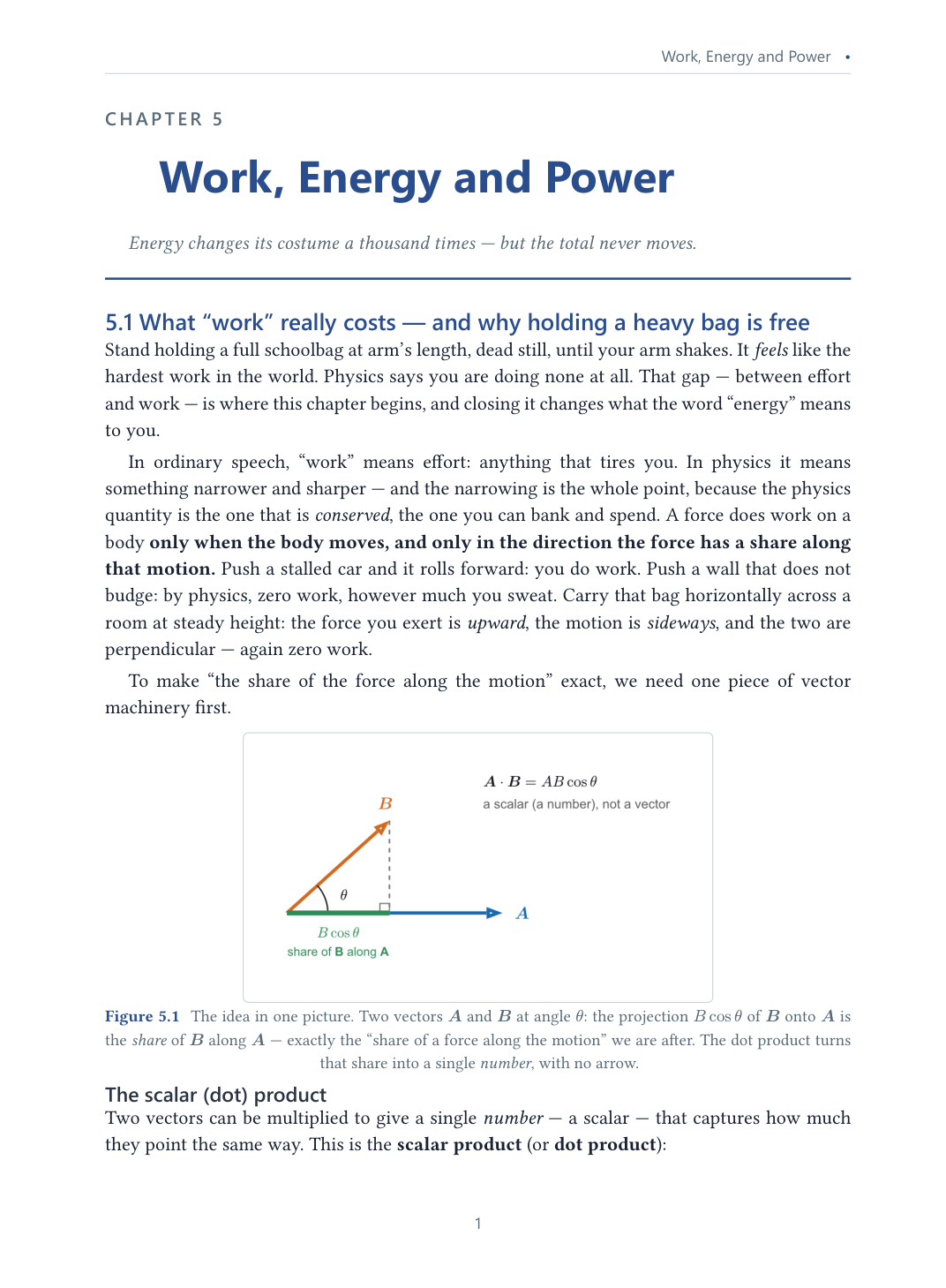
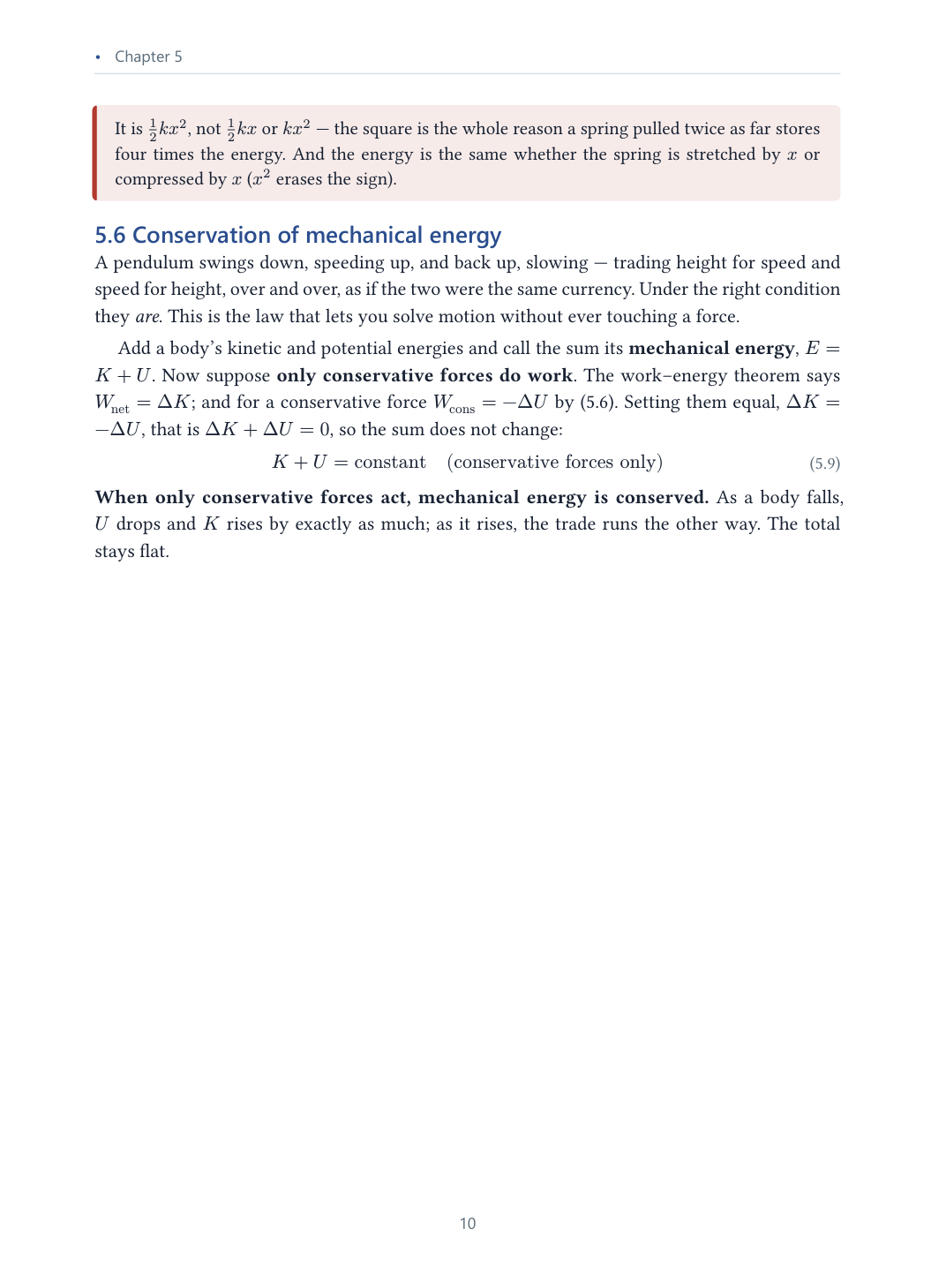
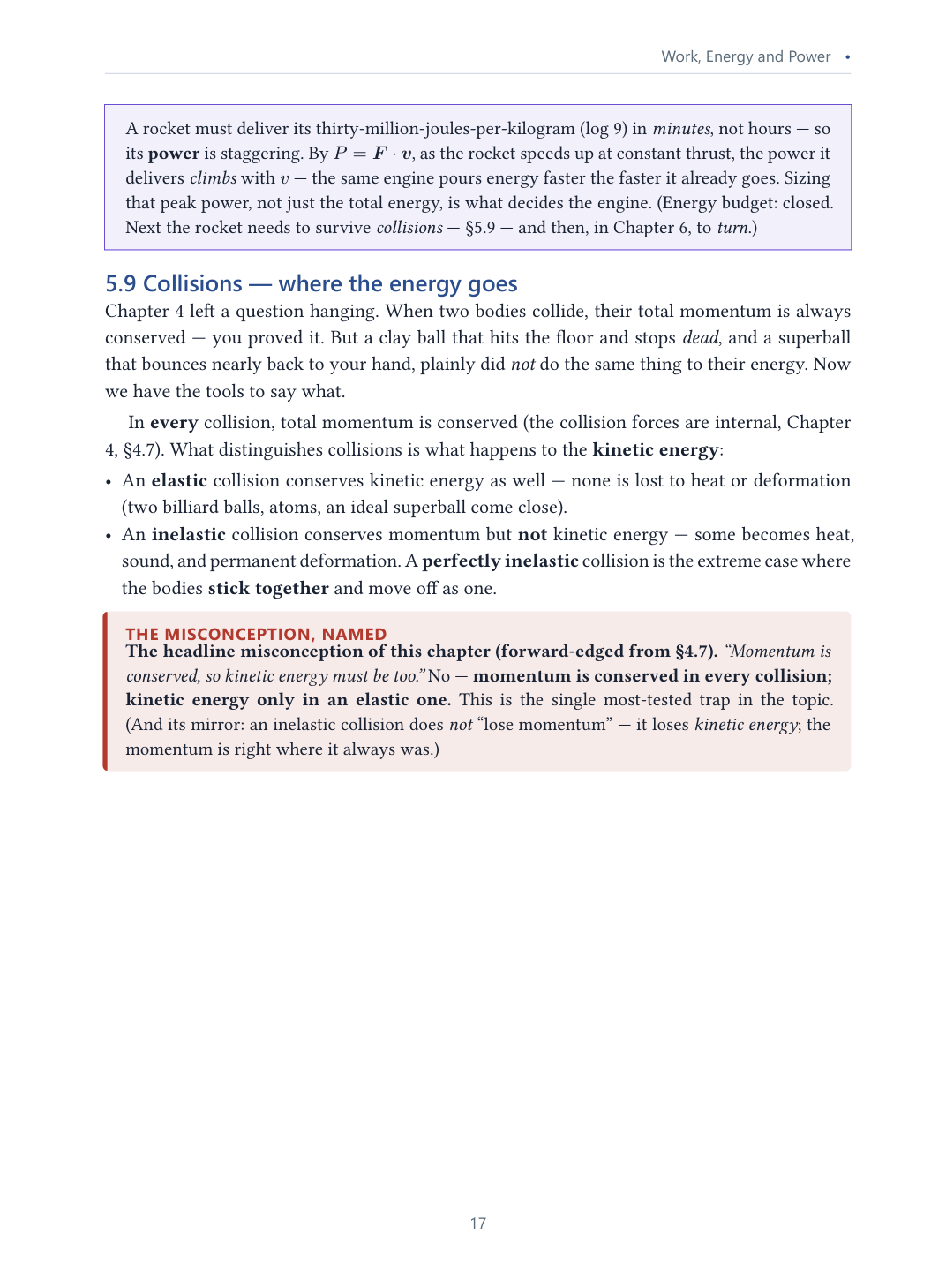
Every rendered page, both books, Ch 4 (Laws of Motion) and Ch 5 (Work, Energy & Power). Skim the rhythm.
05Method & what completes the picture
How this was made
- Pages rendered straight from the PDFs (PyMuPDF, ~150 dpi): official NCERT Class 11 Physics Part I, and our 55-ch04/05-full.pdf.
- Sample = Ch 4 (our forged flagship) in depth + Ch 5 in the gallery. NCERT Ch 4 = 22pp; ours = 24pp — comparable scope.
- Axes adapted from the measured-baseline rubric (visual functions F1–F6 + physics-specific: rigor, worked-example coverage, scaffolding).
- Verdicts read off the rendered pages, not asserted from plan docs.
What completes it
- Tier B (the real shelf fight): HC Verma Vol 1, DC Pandey Mechanics, Cengage, Pradeep, SL Arora — these set the conceptual-clarity and problem-density bars NCERT does not.
- Tier C (the design ceiling): OpenStax University Physics, Halliday-Resnick-Walker, Cambridge AS — the craft target.
- Run all of them + ours through one instrument on the same chapters → the true “ours vs the field” scorecard.
- Downloads are pending; this NCERT-only cut is the honest start, not the finish.