The phones that went into socks
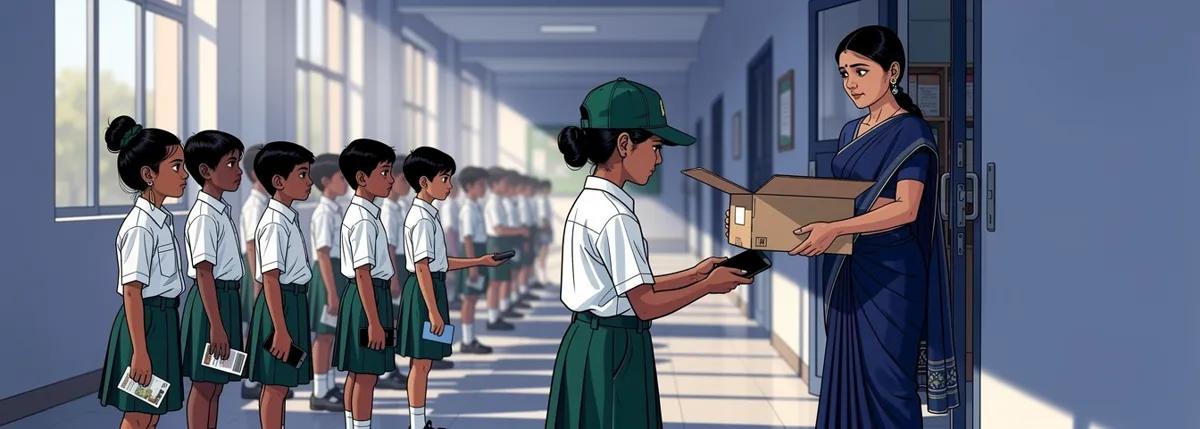
On Monday, Miss Rout read out the new rule. No phones in school. Any phone seen goes to the office, and your parents come to collect it.
By Tuesday there was not a phone on any desk. Nobody was looking at one under the table. The corridor at break was quiet. That was what the school wanted.
By Friday, the phones were back. Sagar kept his in his sock. Bikash kept his inside his water-bottle pouch. At break, three boys shared one phone in a toilet cubicle. A fourth stood at the door, keeping watch.
The rule had not taken the wanting away. It had moved the phones to where nobody could see them.
The idea
So what happened? The rule worked, and then it did something else.
People who study this have a rule for it.
The idea
Interventions ripple; the system answers back.
An intervention is a fix: something somebody does to change a thing. The ban was one.
The first thing a fix does is the thing the fixer wanted. It usually gets it. No phones on the desks, by Tuesday.
Then the fix keeps going. Drop a stone in a pond. The first ring is the one you made. The rings after it go on without you. That is what ripple means.
Who drew the second arrow? Whoever was on the other side of the fix. That is what the rule calls the system: the boys, in this case. Not a machine. People, or crows, or rats.
They do not stand still while a fix happens to them. They do something about it. What they do comes back to the fixer. The fixer did not plan it. It is still part of what the fix did.
What people believe instead
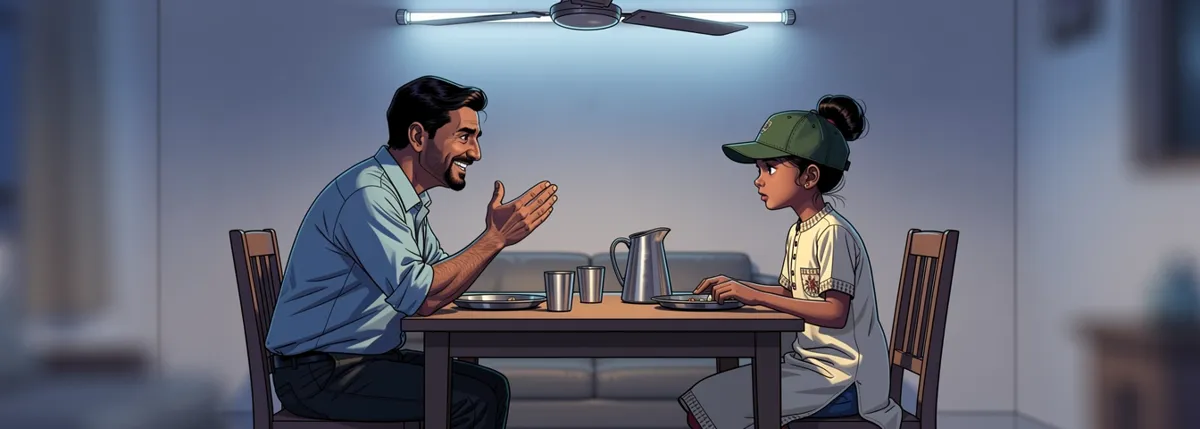
That evening Tara told Bapa about the rule. “Good,” said Bapa. “Take the phones away and that is the end of it.”
Tara did not argue. On Tuesday, it had looked exactly like that.
Bapa was reading the first arrow. Take the thing away, and the problem is gone. The chain ends there.
But the first thing a fix does is one link. The other side answers, and the answer comes back. A fixer who stops looking after the first link meets the second one by surprise.
The same shape, twice more
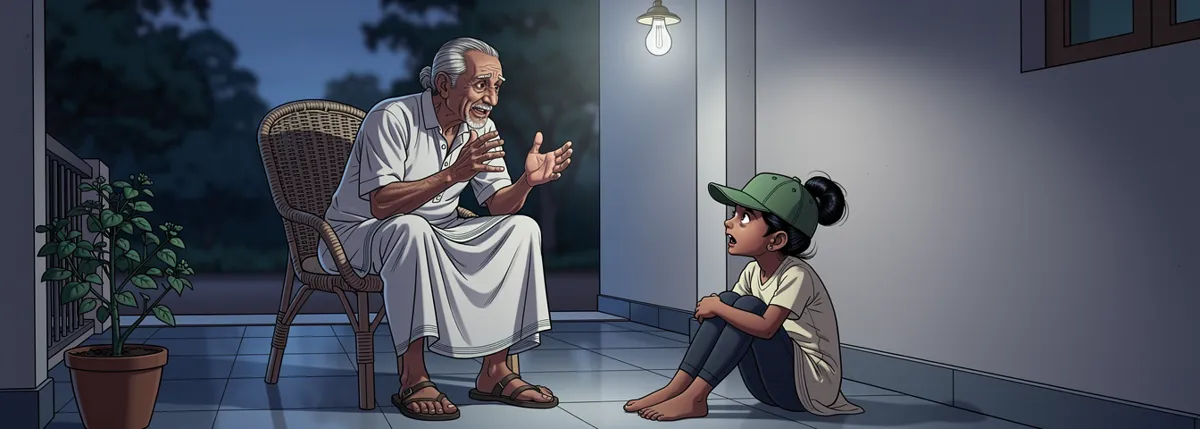
Aja had a story for it. Long ago, in a city called Hanoi, there were too many rats. The city said: bring us a rat’s tail, and we will pay you for it.
Tails came in by the sackful. That was what the city wanted.
Then people noticed rats running about with no tails. The rat-catchers had been cutting off the tail and letting the rat go. A live rat makes more rats, and more rats have more tails to sell. Some people had even started keeping rats.
The city paid for tails. It got tails. It also got more rats than before.
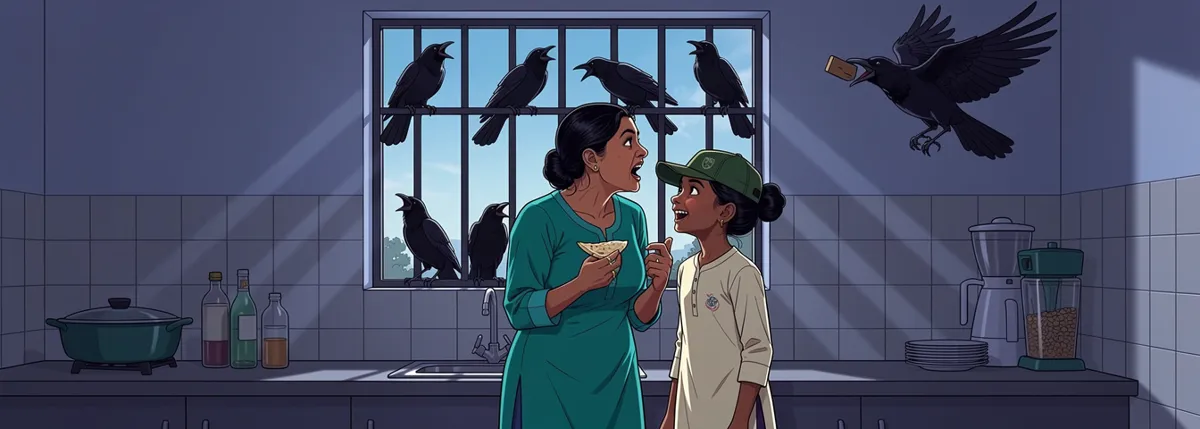
A crow cawed at the kitchen window every morning. Bou threw it a piece of roti to make it stop. It stopped. It ate, and it was quiet. That was the first thing.
By the next week there were six crows on the sill at dawn, all cawing. One flew off with a clothes peg.
The roti did what Bou wanted. Then the crows answered.
Spot it
1
A school bans sweets from the tiffin. What is the first thing that happens? Who is on the other side? What might they do?
2
A class gives a prize for the tidiest desk. First thing? Other side? What comes back?
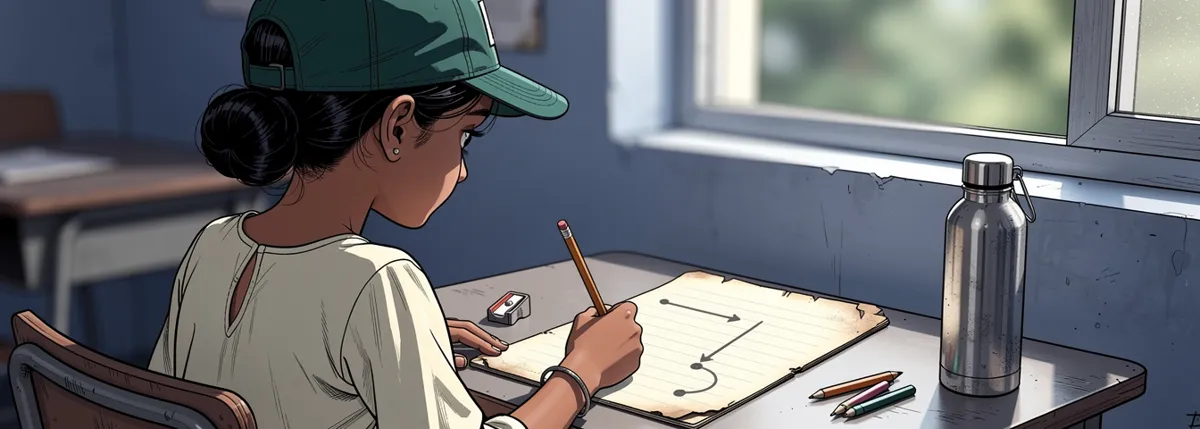
Tara keeps a card. The first line says: what I think will happen. That is the first arrow, and it is the easy one.
Under it she wrote a new line: and then? Who is on the other side, and what will they do about it?
Asking does not stop the fix. It means the answer, when it comes back, is not a surprise.
This week, at home
Pick a rule that is yours — a game, a chore, a class rule. Notice the first thing it did. Then watch what happens after.
The same shape, three costumes
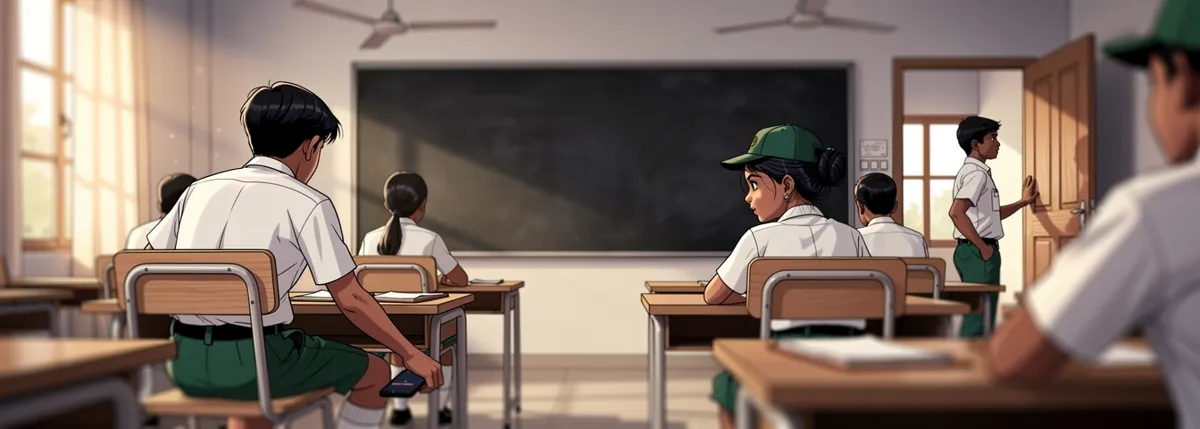
The same shape runs through the phones, the rat tails and the crow. A fix went out. It did the first thing, the thing the fixer wanted. Then the other side did something about it, and that came back.
None of the three fixes was foolish. Each had a second arrow. Nobody had asked about it before drawing the first.
Every fix has a second arrow. Ask about it before you draw the first.
Tara thought of Uncle Gautama, who never told anyone the answer. He asked the next question instead. What did you do? What happened? And then what happened? She tried it on the ban. Phones taken. Desks empty. And then? She could not say, on Monday. By Friday, she could.
The name
People who study this have a name for the thing that came back. They call it a second-order effect.
An effect is a thing that happened because of something. First-order is the first thing the fix did, the thing the fixer wanted. Second-order is the one after it, the one that came back.
Now read the line from the second page again. Interventions ripple; the system answers back. The fix goes out. The other side answers.
The words are new. The shape is not.
Where you will see this next
Next chapter: why the slowest part of anything decides how fast the whole thing goes.