The ones who are not there
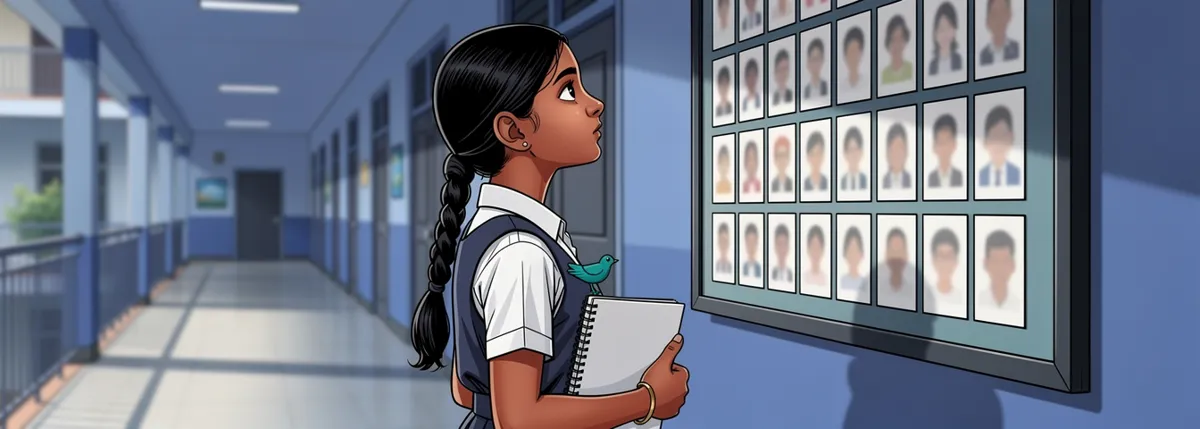
Outside the school office there is a board of photographs. Everyone from Nila’s school who has won the state scholarship is up there, going back years.
She has walked past it twice a day for six years. She knows the faces.
This year three more went up. Twenty-four people sat that test.
She had never thought about the other twenty-one. Nor had anybody else.
The board is not lying. It is showing you the part somebody chose to put up.
The idea
Almost nothing reaches you raw. Between the world and your eyes there is usually something that let one part through and kept the rest back.
Sometimes it is a person. Sometimes it is a rule, or the weather.
The people who study this have one sentence for it.
The idea
What you see was filtered before you saw it.
Two things in it are worth pulling out.
A filter is anything that lets some things through and holds the rest back.
A test is a filter. So is a person deciding which story is worth telling you. So is a shelf that only fits what will stand on it.
It does not have to be unfair, or anybody’s plan. It only has to let some through and not others.
Here is the part that catches everybody.
The ones a filter holds back are not there to be counted. Nobody writes their names down. Nothing marks where they would have stood.
The ones that got through are the survivors, and most days they are the only ones you meet.
You are not looking at part of something bigger. You are looking at the whole of what is there.
A wall of four photographs looks the same whether four people tried or forty did.
The board is full. It looks complete, and it is — a complete list of the people who got through.
It is only an empty list of everybody else, and nothing on it says so.
What people say instead
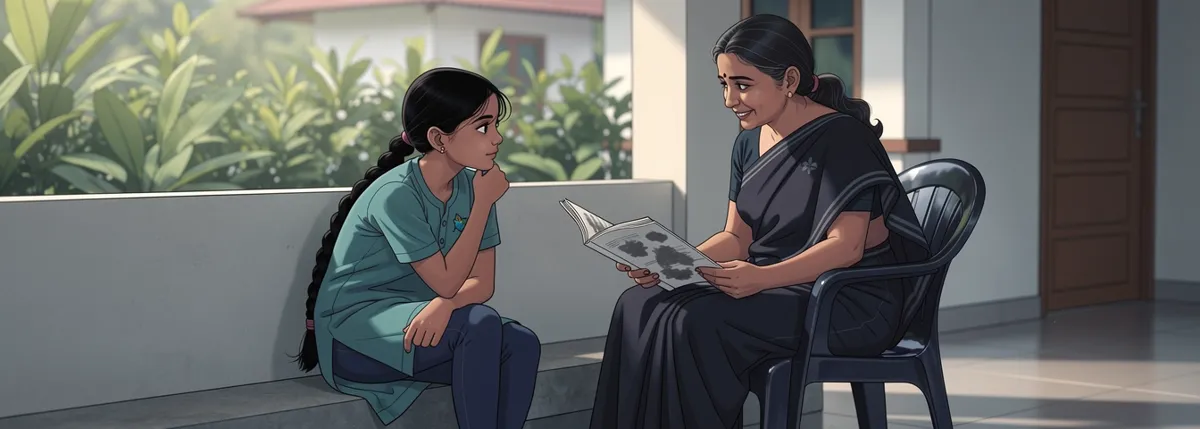
Sudha aunty came over with a magazine folded open at the scholarship toppers.
“Look at this one,” she said. “Up at half past four every morning. That is what it takes. Do what she did.”
She was doing what every head does with a list of winners.
Nila said nothing. She was thinking about the page the magazine did not have. The ones who were also up at half past four, did not get in, and were never asked.
The same wall, twice more
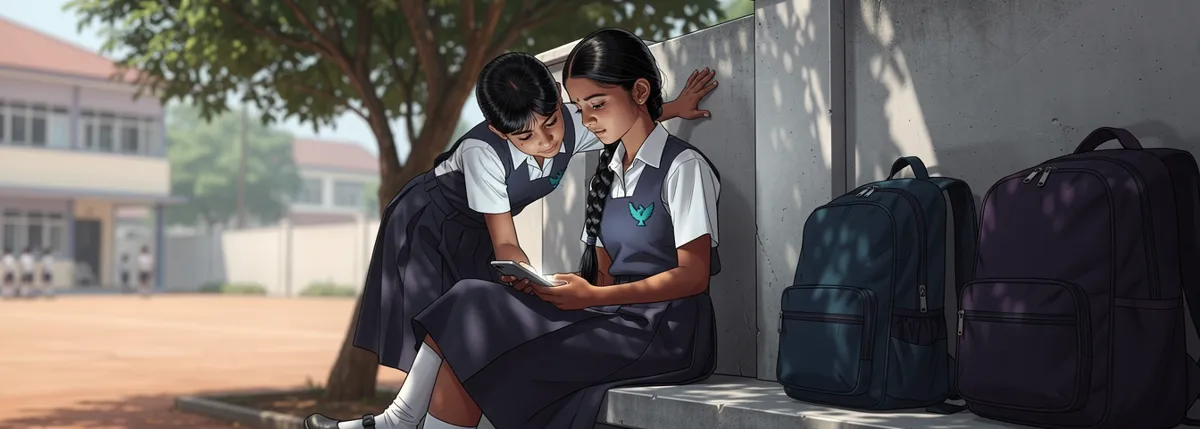
A week later a message went round her class about a boy in another district. No coaching, no tuition, nobody helping. He studied alone off a borrowed set of books, and he got in.
Every word of it was true.
Nila read it twice. Plenty of people study alone off borrowed books. Most do not get in.
Nobody writes a message about those. There is nothing in them to write.
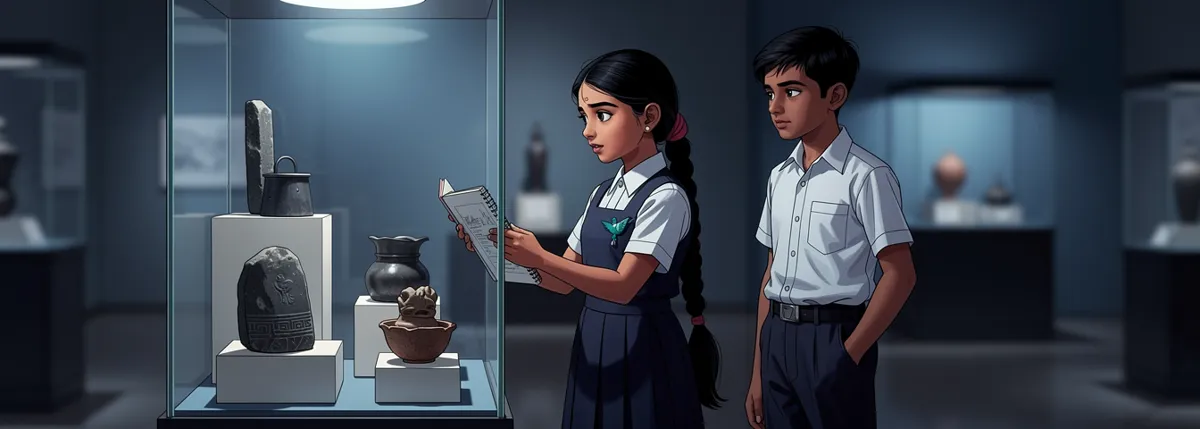
On the school trip there was a glass case of things eight hundred years old. Stone. Metal. Baked clay. A comb, a lamp, a broken pot.
Devan said it was strange that people then owned so little.
They did not. Their houses held cloth and wood and leaf and rope. None of that lasts eight hundred years in this weather, so none of it is in the case.
Nobody chose. Wet and heat and time did the choosing, as thoroughly as a person would have.
Spot it
Two sets of things. Ask the same two questions of each.
1
Every photograph in a family album is of somebody smiling. Who let those through, and what did they leave out?
2
After a storm the sand is covered in shells, and nearly all of them are thick and hard. Who or what let those through?

Nila keeps a page for this. One side for what is in front of her. The other for the room the missing would have filled.
The album keeps the moments somebody reached for a camera. Nobody photographs an ordinary Tuesday. The beach keeps the shells the waves could not break. The thin ones are there too, ground into the sand under your feet.
So this is the question worth asking. Not is this true, but who or what let this one reach me, and what did not come with it.
This week, at home
Find any wall of photographs in your school and count the faces on it. Then find out how many people could have been up there. You will have to ask somebody, because the wall will not tell you.
Three filters, three crowds
The board, the message and the case are three filters.
Behind each one stands a crowd. The twenty-one who sat the test. The ones who studied alone and are in no message. The cloth and rope that rotted.
None of those crowds is hiding. Each is simply not there, and a thing that is not there is hard to remember to look for.
Nila’s Ammachi told a story about Sushruta, a healer long ago. His students studied the whole body first, and only then a single sign. Nila’s list was not wrong. It was a good list. It was a list of one kind of thing, and she had been reading it as a list of everything.
The name
People who study this call it a selection effect.
Selection is the choosing. Somebody or something let these through and not those.
Effect is what the choosing does to you. It changes nothing about the thing itself, only what you end up looking at. That is usually enough.
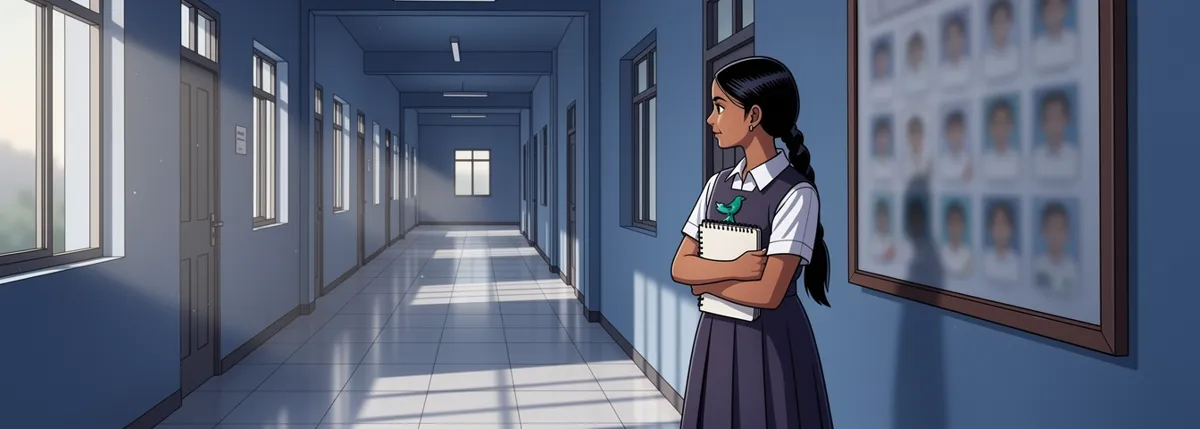
Nothing on the board changed. What changed is that Nila now asks what it is a board of.
Where you will see this next
Next chapter: of all the things that could have reached you, some travel much further than others. What decides which ones is not what you would guess.