How it really happened
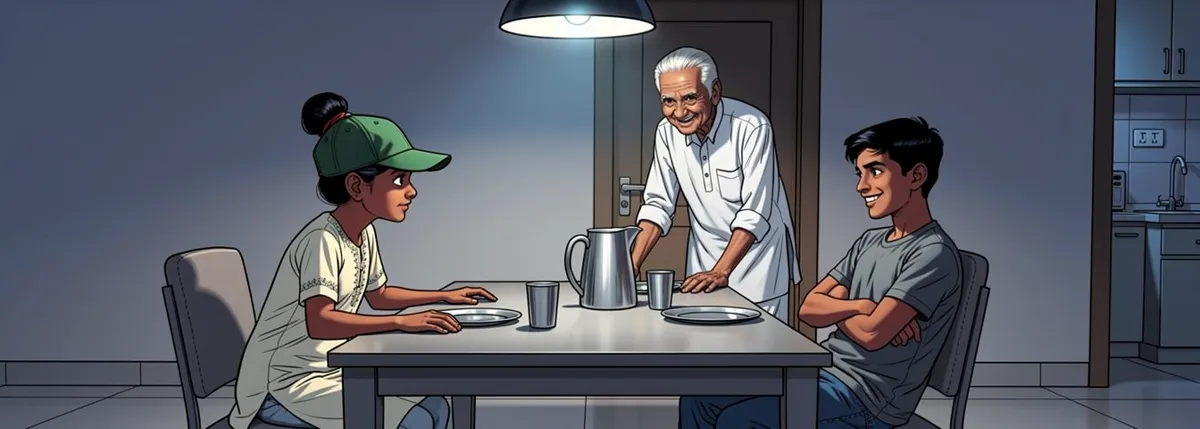
Two years ago, at Aja’s seventieth birthday, the big glass bowl of kheer fell off the table and broke.
Tara remembers it clearly. Her brother Bapi was carrying the bowl, and he tripped on the rug.
Bapi remembers it clearly too. Tara bumped the table, and the bowl slid off.
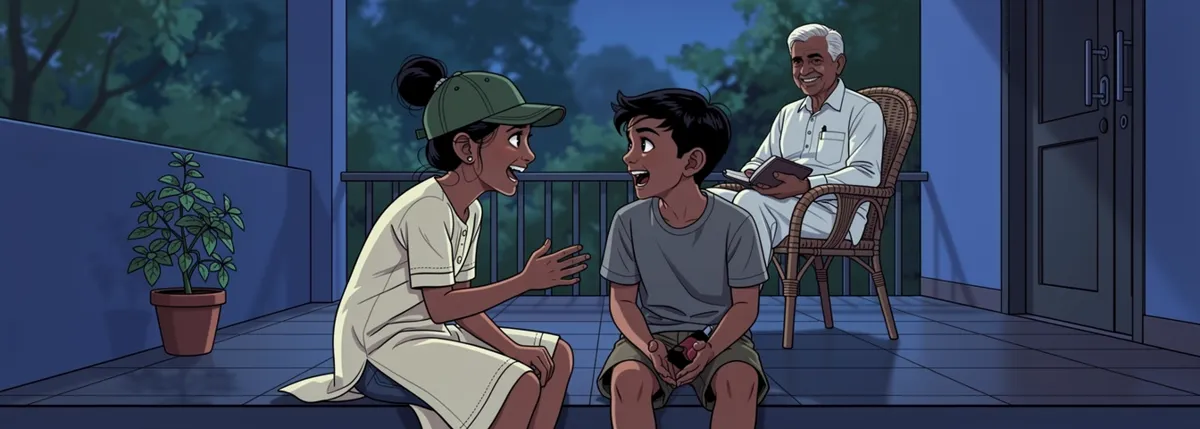
Last Sunday the argument started again at dinner. Aja got up and fetched his diary. He writes three lines in it every night.
That night’s lines said: the kheer fell. Little Chiku pulled the tablecloth. Nobody was hurt.
Both of them were sure. Both were partly wrong. Neither of them was lying.
The idea
Everybody has a memory like that. You can see it and hear it. You would swear to it.
People who study memory have one sentence for what is going on.
The idea
Memory is reconstructive — vivid ≠ true.
Two hard words and a sign. The sign means “is not the same as”. Take the words one at a time.
Vivid means clear and bright. A vivid memory has colours and sounds in it. You know where you were standing.
Tara can still hear the crash. Bapi can still see the kheer on the rug. Remembering it feels like looking at the day itself.
To reconstruct something is to build it again.
Remembering is not like playing a recording. Each time you remember, you build the day again from the pieces you kept.
Where a piece is missing, you put in one that fits. Bapi near the table fits. A rug to trip on fits. So they went in, and Tara never noticed.
Where you saw this last
Two chapters ago: a map keeps some things and drops the rest. A memory drops pieces too. It also builds new ones in, every time.
A built-in piece does not feel built in. It is just as clear as the pieces that were kept. From inside, you cannot tell them apart.
So how vivid a memory is tells you about the building. It does not tell you about the day. A memory can be bright and clear, and sure of itself, and still hold pieces that were never there at all.
What people say instead
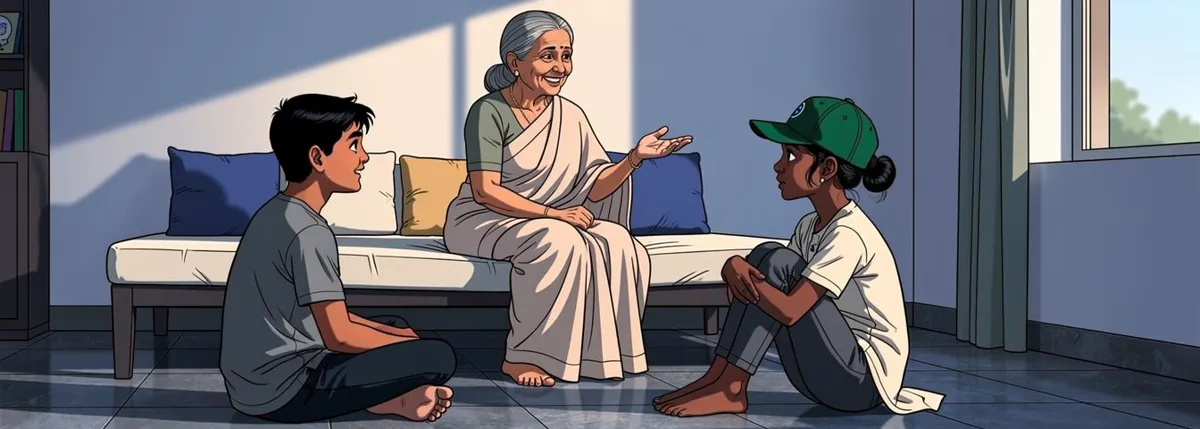
Before Aja found his diary, Aai had tried to settle it.
“Whoever remembers it more clearly, that one is right,” she said. “Bapi, tell it. Now Tara.”
It sounded fair, and she only wanted the arguing to stop on a Sunday. Bapi told it with more colour, so Aai gave it to him. Tara did not argue.
Maa had been in the kitchen that night. She did not see how the bowl fell, and she does not say she did.
Two more days
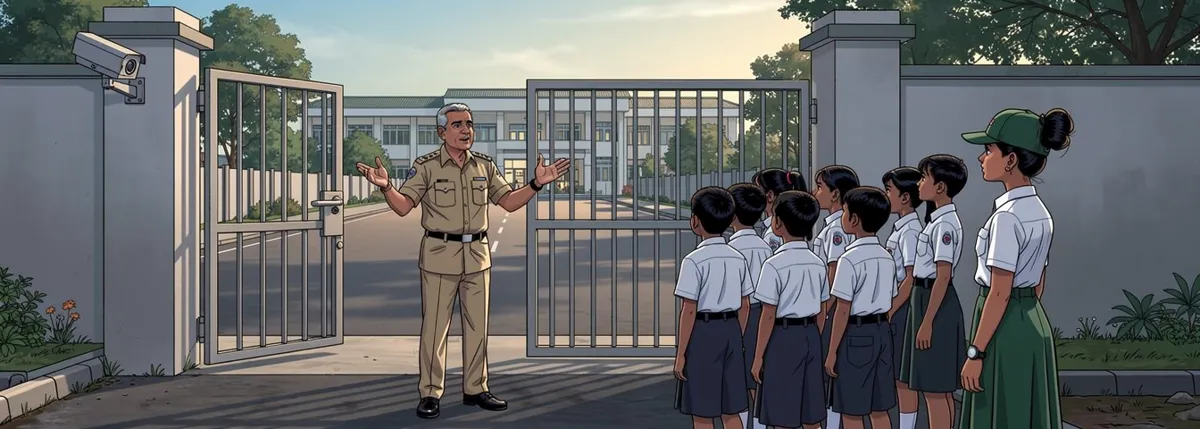
At Tara’s school gate, a scooter scraped a boy’s cycle on Monday. Nobody was hurt.
That evening Hari bhaiya, the watchman, told it slowly. He was not sure how fast the scooter had been going.
By the next morning it was a red scooter, going fast. A week later, it had not even stopped.
The camera over the gate shows a blue scooter, going slowly. It stopped.
It happens inside your own head too.
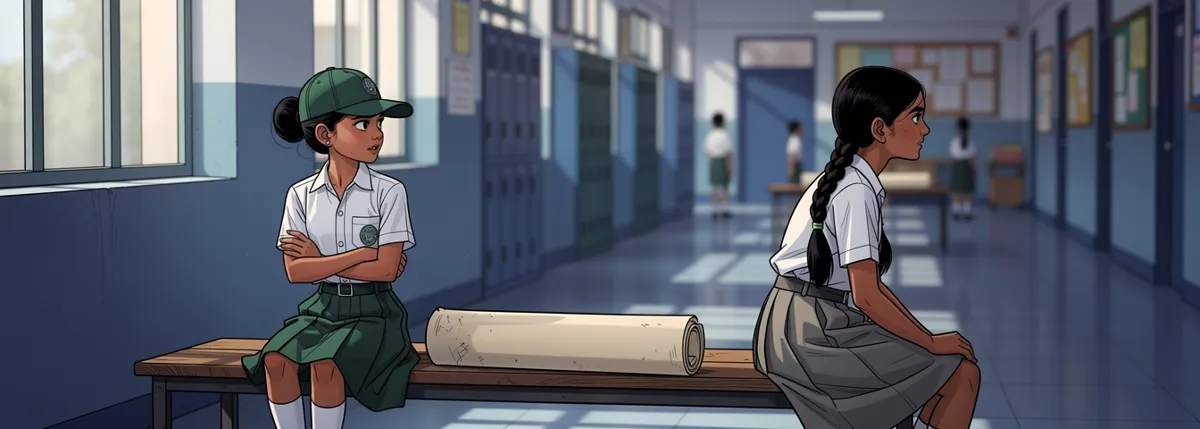
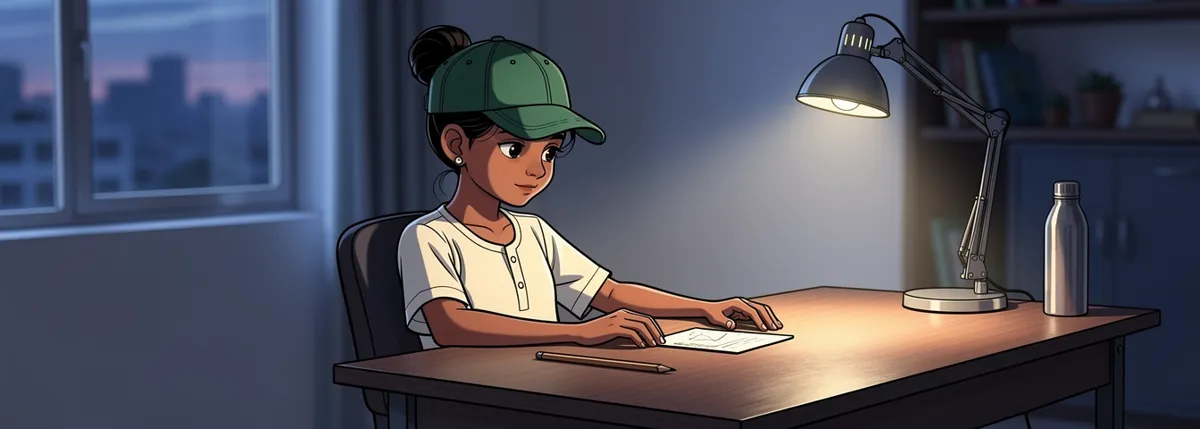
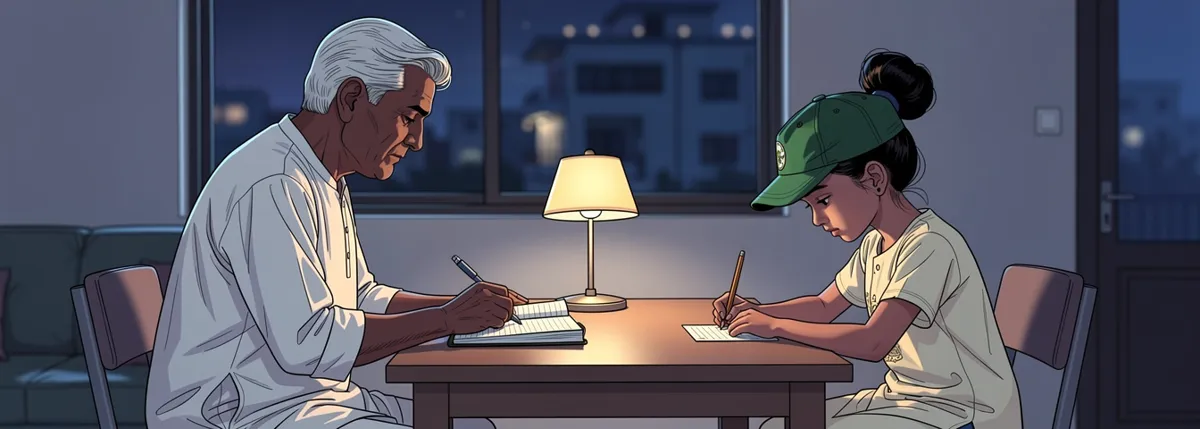
Tara and Sonal argued over their class project. That evening, Tara wrote three lines about it on the back of her card, as she always does.
A week later, Tara remembered it differently. Sonal had started it. Tara had said only fair things.
The card said Tara spoke first. Sonal’s memory had moved as well, the other way. Nobody meant to change anything.
Tara showed Sonal the card. Sonal read it twice and went quiet. Then she laughed, a little. “I was so sure,” she said. “So was I,” said Tara.
Aai tells a story about a woman called Ambapali, who lived long, long ago. She put her own life into a poem, in her own words. The poem is still there, word for word. Nobody has built it again. Tara looked at her card and thought: so are these three lines.
Spot it
Two more arguments. Ask the same question of each.
1
Tara’s cousins Mitu and Rinku both remember their aunt’s wedding. They disagree about who knocked over the lamp. Both are completely sure. Which one is right?
2
Two neighbours remember the night the power went off last winter. They remember it very clearly, and differently. What does that clearness tell you?
Tara never rubs anything off her card. The old lines are how she knows what changed.
Three days, told again
The kheer bowl, the scrape and the argument are three days, each told again later. In all three the pieces changed, and the memories stayed clear.
In the two you were asked about, you cannot tell who is right. Both gold bars are long, and nobody has the day. Clearness cannot settle it. Only something from the day itself can.
Nobody in this chapter was lying. Each of them built the day again, honestly.
So when two honest people remember one day differently, both can be sure. Both can be partly wrong.
This week, at home
Ask somebody at home about a family day from long ago. Just listen to what they remember, and how they tell it.
The name
People who study this say memory is reconstructive. Re- means again. Construct means build.
Two chapters ago, a map kept some things and dropped the rest. A memory does that too. Then it builds the day again, every time you remember it, and fills the gaps with what fits.
Vivid is a fact about the building. Not about the day.
Tara can still see Bapi carrying that bowl. She also knows what the diary says. Both are true about her.
Where you will see this next
Next chapter: your eyes. You trust them even more than your memory.