Biology · Class 11
CBSE 2026–27 · 19 chapters
Chapters
1. The Living World
Biodiversity · Need for classification · three domains of life · taxonomy and systematics · concept of species and taxonomical hierarchy · binomial nomenclature
Read free2. Biological Classification
Five kingdom classification · Salient features and classification of Monera · Protista and Fungi into major groups · Lichens · Viruses and Viroids
3. Plant Kingdom
Classification of plants into major groups · Salient and distinguishing features and a few examples of Algae · Bryophyta · Pteridophyta · Gymnospermae and Angiosperms
4. Animal Kingdom
"Salient features and classification of animals, non-chordates up to phyla level and chordates upto class level (salient features and at a few examples of each category)." Practical note: "No live animals or specimen should be displayed."
5. Morphology of Plants
Morphology of different parts of flowering plants: root · stem · leaf · inflorescence · flower · fruit and seed. Description of family Solanaceae.
6. Anatomy of Plants
Anatomy and functions of tissue systems in dicots and monocots
7. Organisation in Animals
Morphology · Anatomy and functions of different systems (digestive, circulatory, respiratory, nervous and reproductive) of frog
8. Cell: The Unit of Life
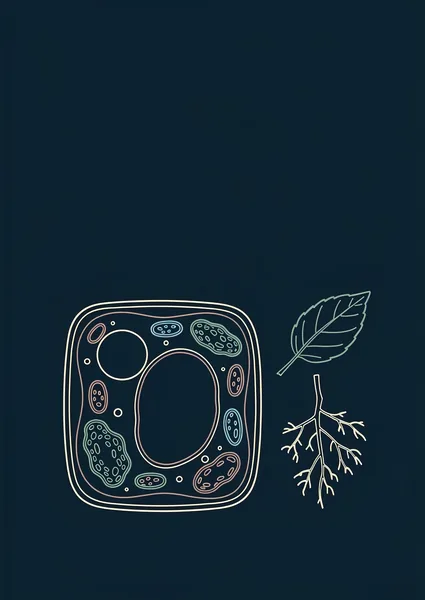
Cell theory and cell as the basic unit of life · structure of prokaryotic and eukaryotic cells · Plant cell and animal cell · cell envelope · cell membrane · cell wall · cell organelles - structure and function · endomembrane system · endoplasmic reticulum · golgi bodies · lysosomes · vacuoles · mitochondria · ribosomes · plastids · microbodies · cytoskeleton · cilia · flagella · centrioles (ultrastructure and function) · nucleus
9. Biomolecules
"Chemical constituents of living cells: biomolecules, structure and function of proteins, carbohydrates, lipids, and nucleic acids; Enzyme - types, properties, enzyme action." Explicit exclusion in the document: "Nature of Bond Linking Monomers in a Polymer, Dynamic State of Body Constituents Concept of Metabolism, Metabolic Basis of Living, The Living State."
10. Cell Cycle and Division
Cell cycle · mitosis · meiosis and their significance
11. Photosynthesis
Photosynthesis as a means of autotrophic nutrition · site of photosynthesis · pigments involved in photosynthesis (elementary idea) · photochemical and biosynthetic phases of photosynthesis · cyclic and non-cyclic photophosphorylation · chemiosmotic hypothesis · photorespiration · C3 and C4 pathways · factors affecting photosynthesis
12. Respiration in Plants
Exchange of gases · cellular respiration - glycolysis · fermentation (anaerobic) · TCA cycle and electron transport system (aerobic) · energy relations - number of ATP molecules generated · amphibolic pathways · respiratory quotient
13. Growth and Development
Seed germination · phases of plant growth and plant growth rate · conditions of growth · differentiation · dedifferentiation and redifferentiation · sequence of developmental processes in a plant cell · plant growth regulators - auxin · gibberellin · cytokinin · ethylene · ABA
14. Breathing
Respiratory organs in animals (recall only) · Respiratory system in humans · mechanism of breathing and its regulation in humans - exchange of gases · transport of gases and regulation of respiration · respiratory volume · disorders related to respiration - asthma · emphysema · occupational respiratory disorders
15. Body Fluids and Circulation
Composition of blood · blood groups · coagulation of blood · composition of lymph and its function · human circulatory system - Structure of human heart and blood vessels · cardiac cycle · cardiac output · ECG · double circulation · regulation of cardiac activity · disorders of circulatory system - hypertension · coronary artery disease · angina pectoris · heart failure
16. Excretion
Modes of excretion - ammonotelism · ureotelism · uricotelism · human excretory system - structure and function · urine formation · osmoregulation · regulation of kidney function - renin-angiotensin · atrial natriuretic factor · ADH and diabetes insipidus · role of other organs in excretion · disorders - uremia · renal failure · renal calculi · nephritis · dialysis and artificial kidney · kidney transplant
17. Locomotion
Types of movement - ciliary · flagellar · muscular · skeletal muscle · contractile proteins and muscle contraction · skeletal system and its functions · joints · disorders of muscular and skeletal systems - myasthenia gravis · tetany · muscular dystrophy · arthritis · osteoporosis · gout
18. Neural Control
Neuron and nerves · Nervous system in humans - central nervous system · peripheral nervous system and visceral nervous system · generation and conduction of nerve impulse
19. Chemical Coordination
Endocrine glands and hormones · human endocrine system - hypothalamus · pituitary · pineal · thyroid · parathyroid · adrenal · pancreas · gonads · mechanism of hormone action (elementary idea) · role of hormones as messengers and regulators · hypo- and hyperactivity and related disorders · dwarfism · acromegaly · cretinism · goiter · exophthalmic goitre · diabetes · Addison's disease
About this book
A Class 11 or 12 student with no coaching class can learn every syllabus topic from this book alone, well enough for the board exam and for the JEE or NEET questions built on it.
More about this book
That means the explaining is done here, on the page. Each chapter opens where you are, builds the idea step by step, and shows worked examples before it sets you a problem. Every printed problem is solved in the back, with hints. No teacher, no tuition class and no second book is assumed anywhere in it.
Biology, Class 11, on the 2026–27 CBSE syllabus.
It follows the CBSE Biology syllabus for 2026–27 chapter by chapter, in NCERT's order. Each chapter teaches its idea from the beginning, shows worked examples before it sets a problem, names the mistakes students actually make. Every printed problem is solved in the back, with hints, beside a glossary and the reference pages the subject needs.
What it is not: an NCERT solutions book — it solves its own problems only; a sample-paper or previous-year-paper bank; a coaching module or test series; a CBSE or NCERT publication; the school — no lab work, projects or internal-assessment help. Nor is it a JEE Advanced or NEET-level problem book — the ceiling is NCERT plus the entrance-exam application tier — a formula-sheet crammer, or a bridge course from the previous class beyond its assumed-skills page.