Whoever made it never passes it
A book is checked at every step, from the plan to after it reaches you. At each step a different reader, an AI or a person, looks for one kind of fault.
These are today’s checks. A new kind of fault gets a new check, so older drafts met fewer.
Before writing: what is missing?
For a book we design ourselves, five AI readers from three companies each read the outline on their own. They look for what the reader needs but the book leaves out, what it spends too long on, and what comes in the wrong order.
A missing chapter cannot be seen by any later reader of the book.
A syllabus book starts from the syllabus. Every topic in it is traced into the book before it is finished.
Every claim, no wider than its source
Five readers go through each chapter’s claims. Is each one true? Is any stated more widely than its source allows?
At least one of our readers is kept away from our sources on purpose and checks each claim against the world instead. Sources can carry errors too, and this catches them.
Each new question, tried with the answer hidden
A reader answers each new question without seeing our answer and says whether the book teaches it. If the reader disagrees with us, or can rule out two options without knowing the subject, we rewrite the question once. If it fails again, it stays out.
Scripts catch the cheap giveaways. The right answer may not be the longest option, and each wrong option must be a mistake students make. A test across all the questions looks at where the right answers fall.
Figures, read with the words covered
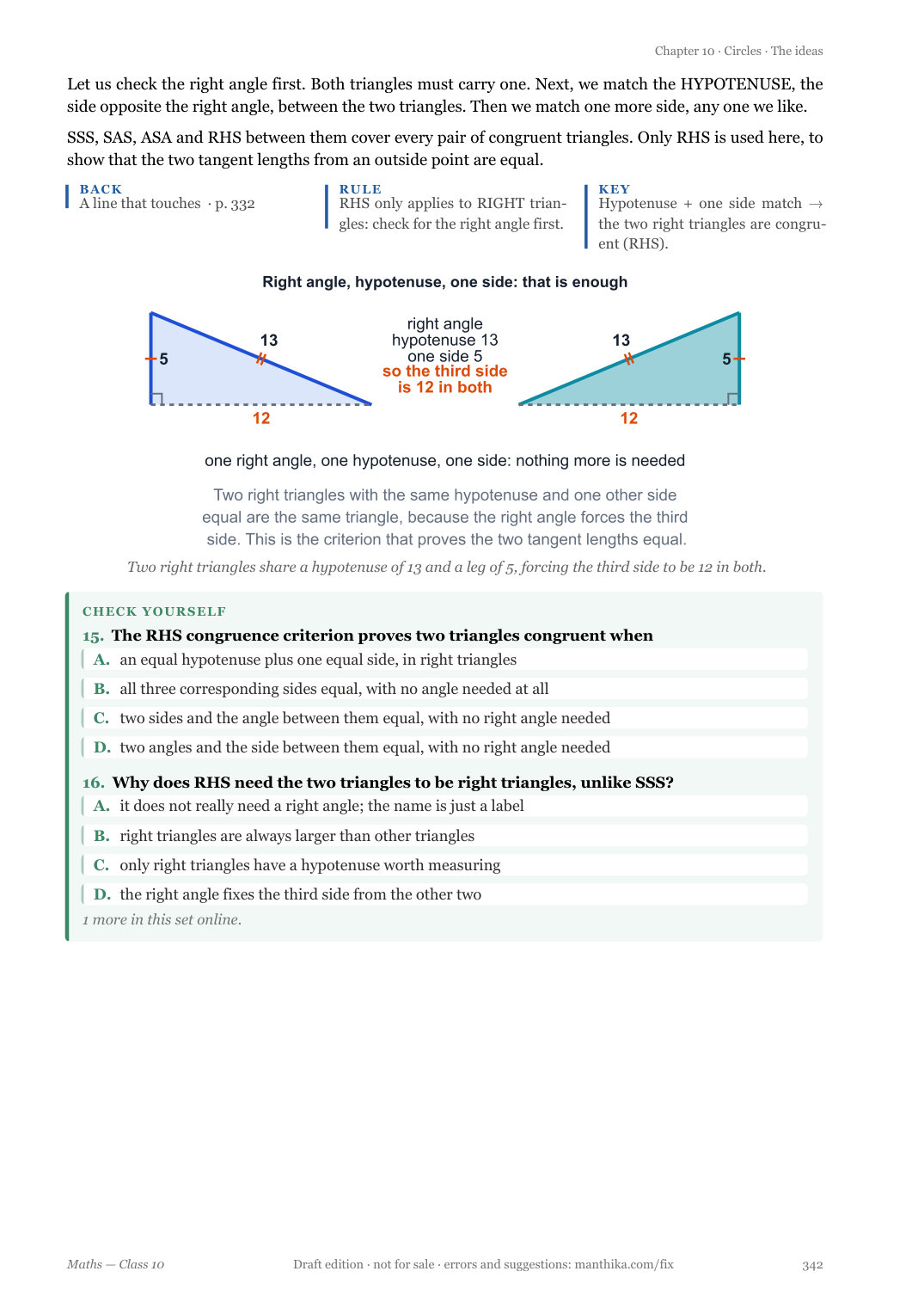
A figure design is shown to a fresh reader with no caption and no chapter, who says what it shows. A figure drawn from numbers is redrawn from those numbers by a separate check, and if the two differ it does not go in.
Many readers before it reaches us
Two scorers who did not write it
Twice a book, two AI readers from different companies score the whole book on the same eight measures. They work blind to each other, neither made the edits, and each score quotes its page. If they differ by two points, we read the evidence.
Correct, covers its plan, fits its reader, explains, pictures that work, consistent, not machine-sounding, ready to hand over.
The whole book, read as one
Done means two clean passes, not one
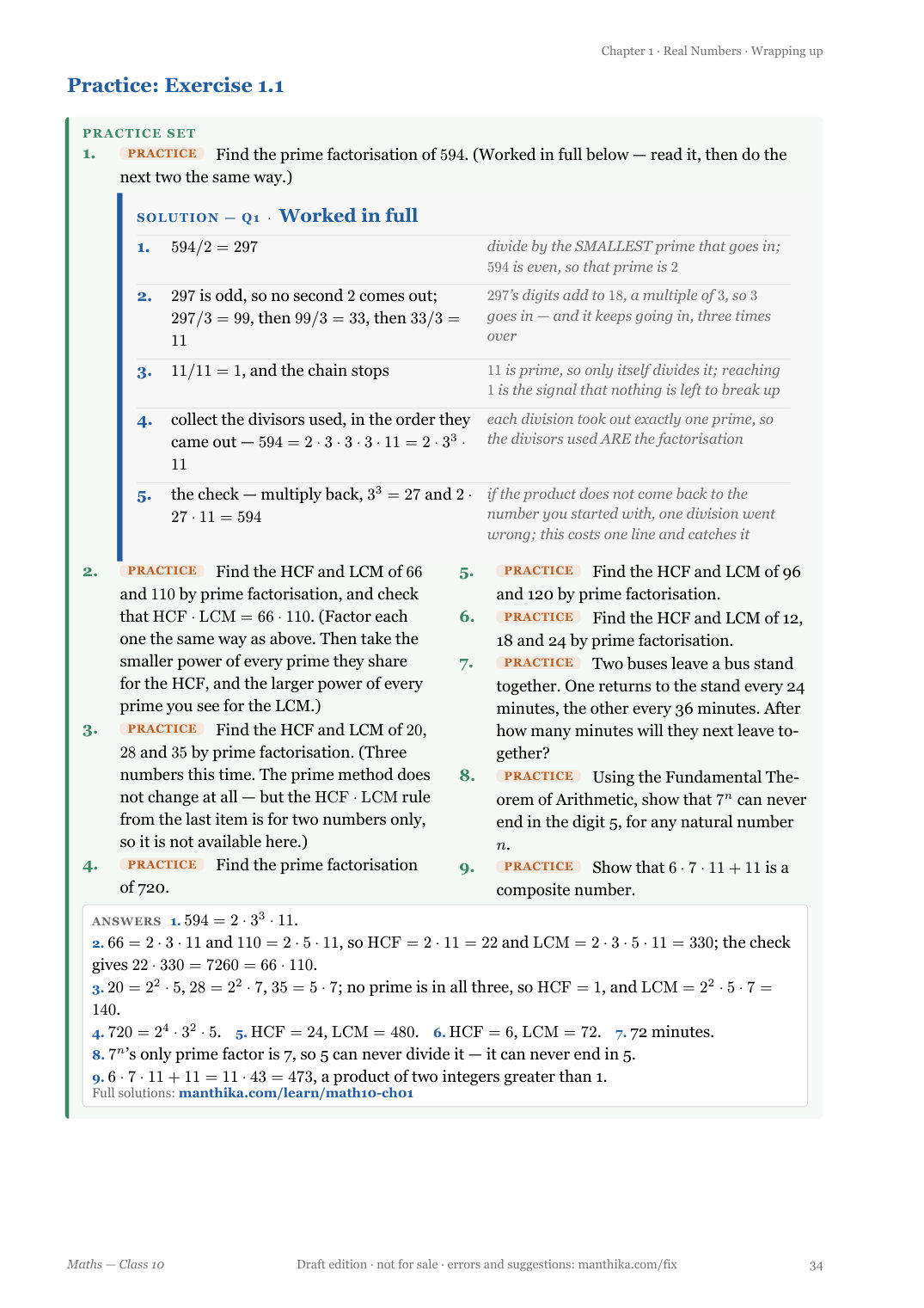
Every page is rendered and read, and a fault is fixed where it starts. A book is finished after two clean passes in a row, and whoever fixed a page does not score it. After three rounds, a person decides.
After it reaches you
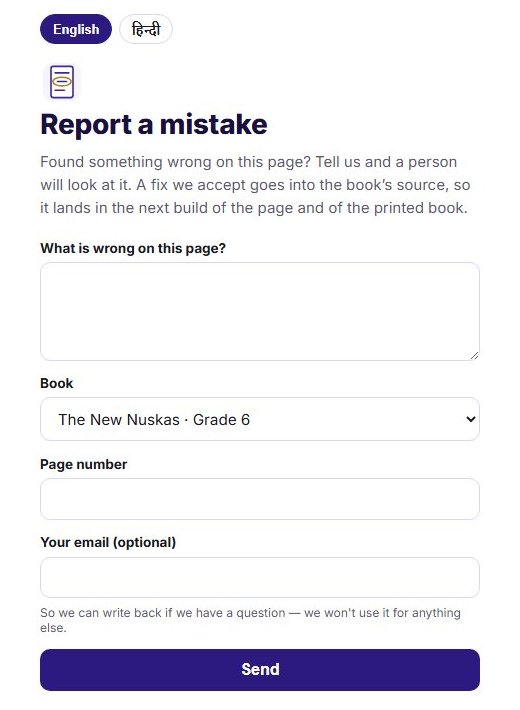
Every page carries manthika.com/fix. A mistake we accept there is corrected once, in the book’s source, so every later copy carries the fix.
Report a mistake